
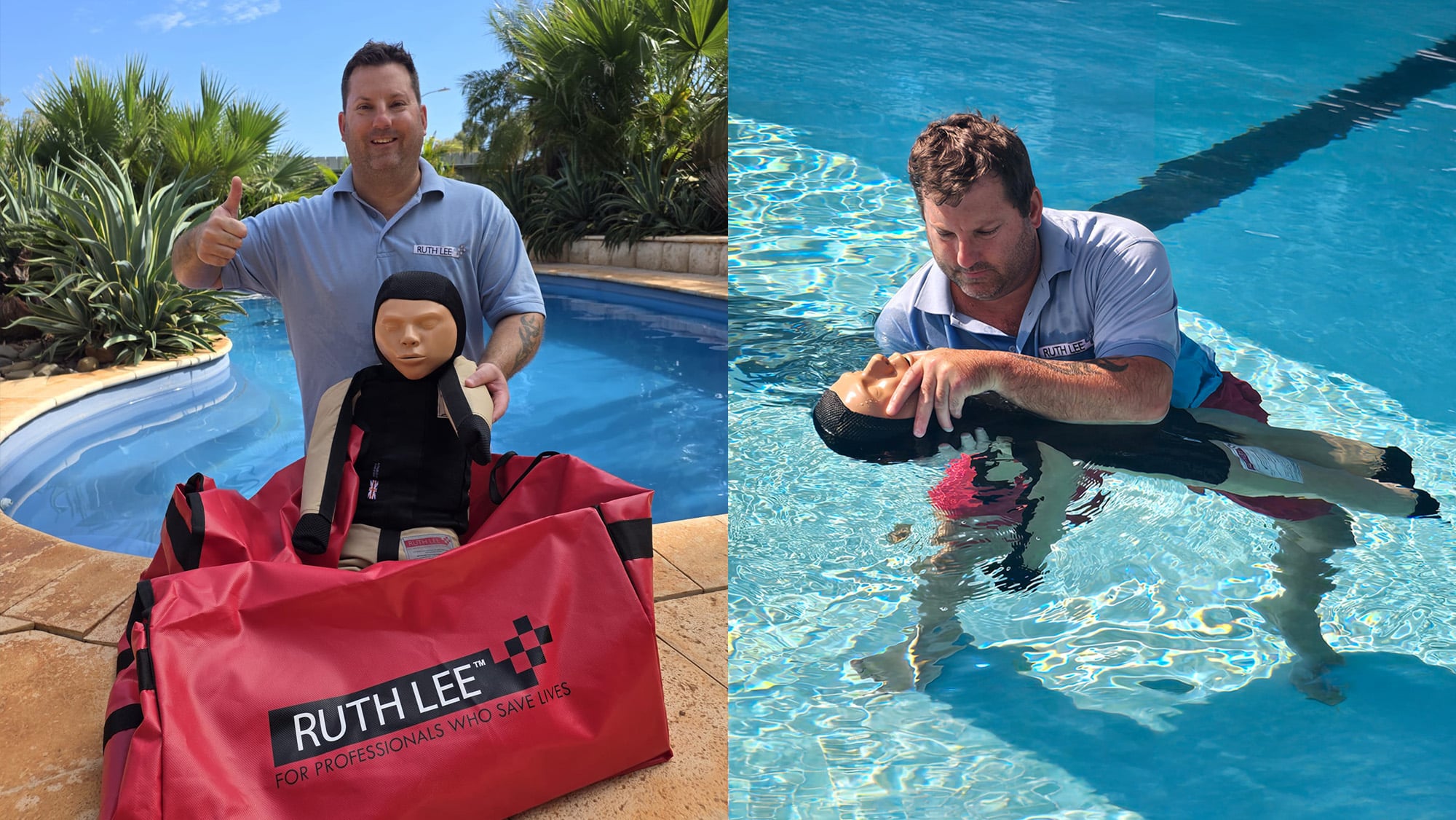
By Steve Waterman – Official Ruth Lee Ambassador (Australia)
There may come a moment in any lifeguard’s career when training meets reality.
It might be a child who slips beneath the surface without a sound, a swimmer who becomes unresponsive mid-lap, or a patron who fails to resurface when expected.
In that moment, everything a lifeguard has trained for is tested. The seconds between recognition and response matter.
The question every aquatic facility manager, training coordinator and lifeguard educator should ask is not simply whether their lifeguards hold a certificate. It is whether those lifeguards are ready to respond effectively.
In my experience delivering lifeguard training across regional and remote Western Australia, including some of Australia’s most geographically isolated and operationally demanding aquatic environments, readiness is strongly influenced by the quality and realism of the training lifeguards receive.
The Gap Between Certification and Capability
Lifeguard certification is essential. It establishes a baseline of knowledge and provides a framework for response. However, certification alone does not build the procedural familiarity, composure and decision-making capacity that real emergencies demand.
I have trained lifeguards who could recite every step of an aquatic rescue protocol accurately, yet struggled to apply those same steps under physical and emotional pressure, with a weighted manikin in the water and observers on the pool deck.
That response is not a character flaw. It reveals a training gap.
Under acute stress, the human brain does not retrieve knowledge in the same way it does in a classroom. It tends to rely on what has been repeatedly and physically rehearsed. If a lifeguard has practised rescue techniques only with a cooperative live volunteer or a lightweight training aid, they may never have experienced the challenge of managing the passive resistance of an unresponsive casualty in the water.
Until they have, an important gap remains in their preparation.
How the Ruth Lee Pool Rescue Manikin Changes Training
When I introduced the Ruth Lee Pool Rescue Manikin, nicknamed Bobby, into my lifeguard training programs across Western Australia, the difference in trainee performance was immediately noticeable.
The adult model weighs 30 kg and is designed to sink for retrieval while retaining enough buoyancy to be towed effectively. This creates a realistic challenge: the manikin behaves like a passive casualty and does not instinctively assist the rescuer.
That last point is more important than it may sound.
Even when trying to remain passive, a live volunteer may still make subtle adjustments: turning their head to breathe, tensing their neck for comfort or shifting their weight in a way that makes the tow slightly easier.
With an unresponsive casualty, the lifeguard cannot rely on any assistance. The casualty is passive, heavy and entirely dependent on the lifeguard’s technique for safe movement through the water.
Bobby introduces that realism, and it changes the training experience.
What I Have Observed in Training
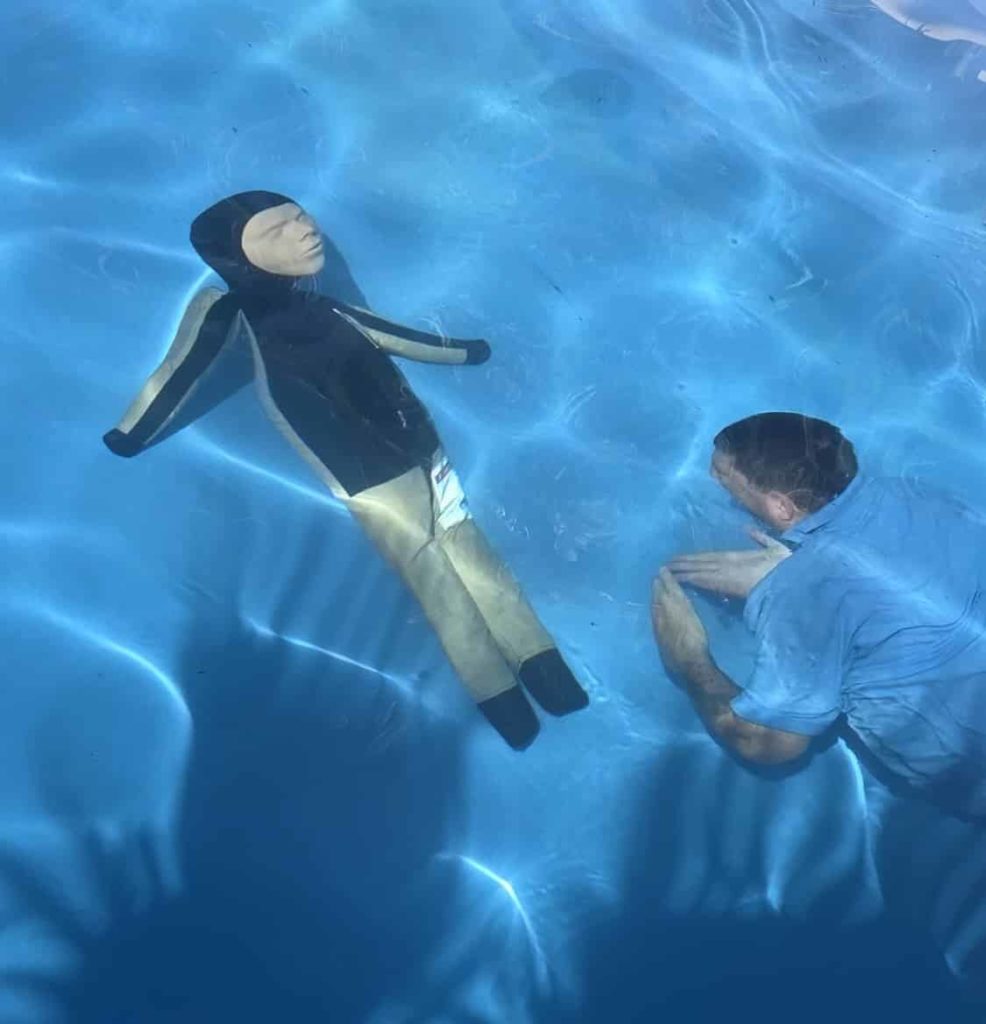
Training with the manikin reveals things that polished classroom performance cannot.
Trainees quickly discover that surface tows require more physical effort than anticipated. Deep water retrievals demand breath control, buoyancy management and precise body positioning at the same time. Poolside extrication relies on correct technique, not strength alone.
More importantly, trainees develop familiarity with what it feels like to manage a passive casualty. They learn how to control the weight and resistance while managing their breathing under exertion.
If a real emergency occurs, that physical rehearsal can help the response feel familiar rather than entirely new. Lifeguards are better prepared not simply because they have read about the process, but because they have practised it under realistic conditions.
That is the difference between holding a certificate and being able to apply the required skills under pressure.
Beyond Standard Rescue Scenarios
One of the features I value most about the Ruth Lee Pool Rescue Manikin is its versatility across complex and specialised training scenarios.
In regional and remote Western Australia, lifeguards may work in small teams and be the first to respond with limited immediate backup. They may serve diverse communities, including swimmers with disability, or operate in facilities where rescue procedures must be adapted to the environment.
The manikin has allowed me to design and deliver training scenarios that extend well beyond a standard surface tow:
Deep Water Retrieval
Lifeguards practise breath hold descents, casualty management at depth and controlled ascent with a passive, weighted manikin. The physical challenge cannot be replicated safely or consistently with a live volunteer. READ MORE.
Single Rescuer Poolside Extraction
Where appropriate and consistent with local procedures, lifeguards practise extracting the manikin from the pool without immediate assistance, developing the technique and body mechanics required when backup is not yet available.
Suspected Spinal Injury Management
The manikin’s flexible limbs and realistic resistance allow lifeguards to practise head splint techniques, two person lifts and rescue board application in accordance with relevant training standards and facility procedures. READ MORE.
Inclusive Rescue Training
The manikin’s passive design can support carefully planned scenarios involving swimmers with mobility limitations or other support needs, where a live volunteer could not safely or consistently replicate the required conditions. READ MORE.
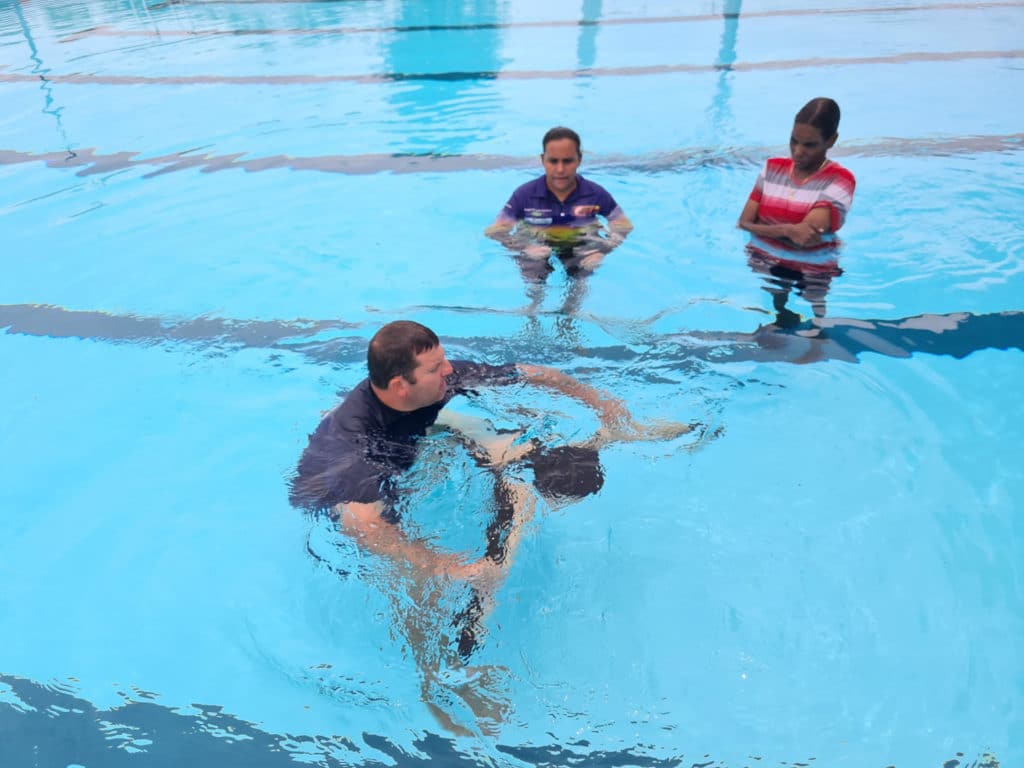
My Training Philosophy: Preparing for the Hardest Moment
My training philosophy is built on a simple principle: developing real competence matters more than creating the appearance of preparedness.
A lifeguard who performs well in a predictable drill but has not practised the most demanding version of the scenario may not be ready for the same challenge under pressure. A facility that meets certification requirements but does not reinforce them with realistic, scenario based training may have a serious gap in its preparedness.
The Ruth Lee Pool Rescue Manikin is one of the most effective tools I have found for closing the gap between what lifeguards know and what they can do under pressure. It brings honesty to training by revealing weaknesses that a cooperative volunteer may unintentionally conceal.
After using the manikin across lifeguard training programs in Western Australia, I have seen trainees develop greater confidence, capability and composure, qualities that stay with them long after the training session has ended.
That is what realistic training can produce.
It helps lifeguards perform when lives are at stake.
Conclusion
Real emergencies do not wait for lifeguards to feel ready. They arrive without warning, rarely unfold exactly as rehearsed and demand an immediate, calm and effective response.
The lifeguards best placed to provide that response are those who have trained physically, repeatedly and honestly.
In my experience, the Ruth Lee Pool Rescue Manikin is one of the most valuable tools available for building that readiness. For facilities and training providers serious about developing capable, confident lifeguards, Bobby deserves a central place in practical training.
Stay Vigilant.
🔗 Learn more about the Ruth Lee Pool Rescue Manikin here.
📖 Read Steve’s related article on Inclusive Lifeguard Training and supporting swimmers with disabilities.