
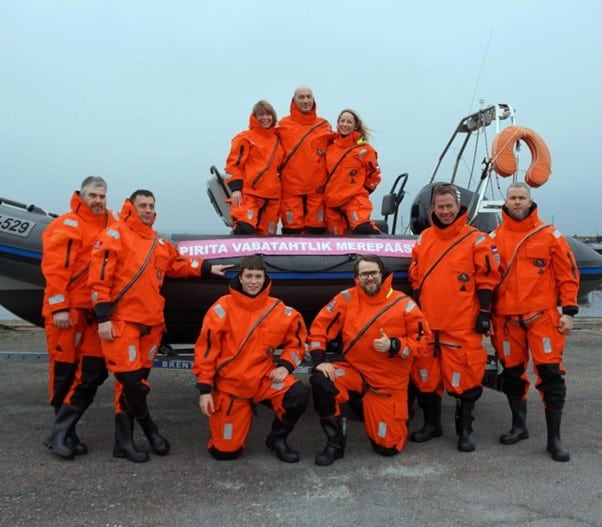
 Based on the shores of Tallinn Bay, Watergratt Pirita SAR is one of Estonia’s most active and respected voluntary marine rescue organisations. Since their founding in 2014, they have built a national reputation not only for their operational response, but also for their tireless commitment to prevention, education and community safety.
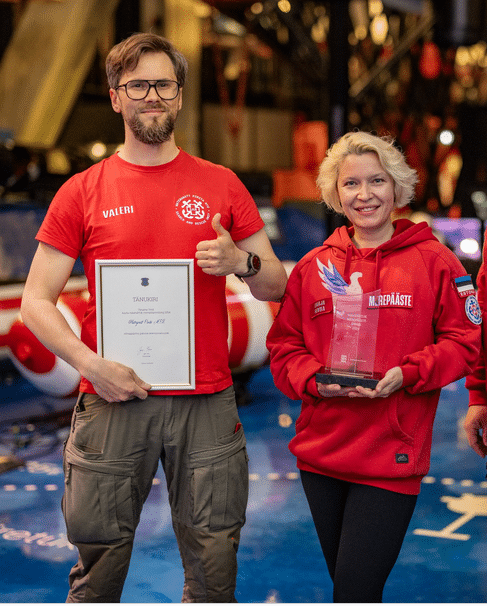
In 2024 alone, Pirita SAR responded to nearly one fifth of all volunteer marine rescue call-outs in Estonia, while also training thousands of people in water safety, crisis preparedness and first aid. Their work was recognised nationally when they were named Volunteer Marine Rescue Organisation of the Year.
At the heart of their training approach is realism – and that’s where Ruth Lee manikins play a vital role.
We spoke with Valeri Babak, Board Member and Operations Manager at Watergratt Pirita SAR, to learn more about their mission, their approach to education, and how realistic training tools help save lives.
Who are Watergratt Pirita SAR?
Can you briefly introduce your organisation and mission?
Watergratt Pirita MTÜ is a voluntary marine rescue NGO based in the Port of Pirita on Tallinn Bay, Estonia. We were founded in 2014 and celebrated our 10th anniversary last year.
Our mission has two main pillars. The first is coordinating marine rescue operations and improving water safety awareness in Tallinn Bay – especially around Pirita. We focus on people involved in water sports, those spending time near the water, and owners of small vessels such as sailing and motorboats.
The second pillar is education and prevention. We develop local and international programmes focused on safety, crisis preparedness and first aid, alongside community and networking events for both young people and adults.
In 2024, we responded to around one fifth of all marine rescue calls in Estonia. Alongside this, more than 2,000 people each year take part in our training programmes, and over 5,000 people attend our prevention events.
We work closely with state and local authorities, including the Estonian Rescue Board, Police and Border Guard, Red Cross, schools, youth centres and NGOs. This cooperation is essential for tackling issues like drowning prevention and crisis readiness.
Our overall mission is simple: to make water safety, crisis preparedness and life-saving first aid skills accessible to everyone.
Why Youth Education Matters
Why is education for children and young people such a key focus for Pirita SAR?
We believe young people are the key to lasting change in water safety culture. Even though young children are not statistically the highest-risk group, they are the most important group to educate.
Well-trained young people don’t just act safely themselves – they become advocates who influence their parents and grandparents. That ripple effect is incredibly powerful.
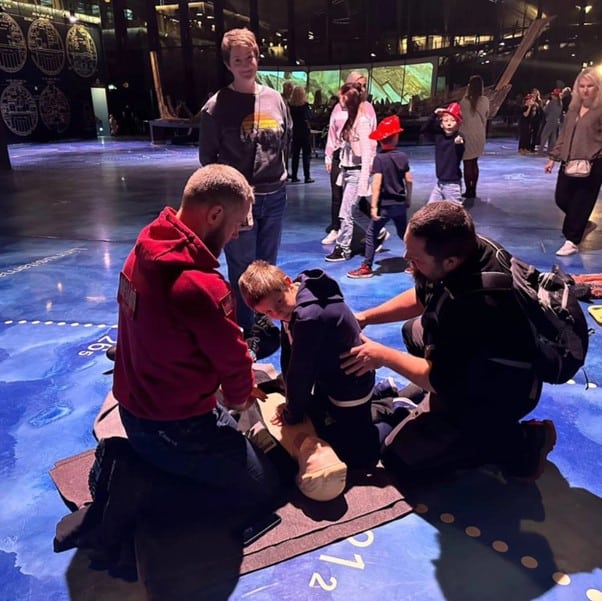
So far, we’ve educated over 11,000 people in water safety and crisis preparedness, including more than 4,500 young people in just the last two years. Our focus is always practical, experience-based learning. We want young people to understand the real challenges of water incidents and act proactively as a result.
One example is our Water Safety Methodology project, developed with the Latvian Beach Lifeguard Association. It provides a practical, unified prevention methodology for 14–18-year-olds, combining theory and hands-on skills. It’s already being used by volunteer rescue organisations, schools and youth centres, and promoted among national institutions in Estonia and Latvia.
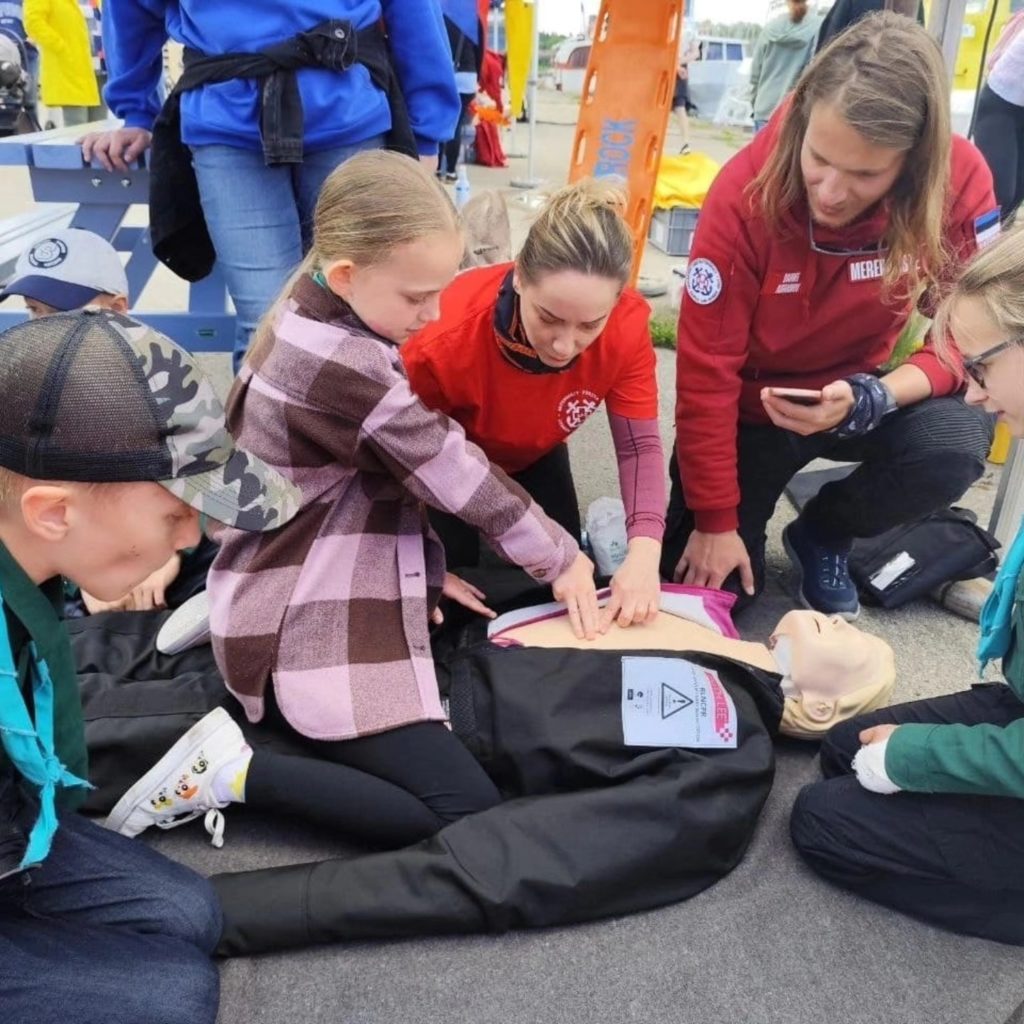
During testing, more than 90% of children said CPR training with Ruth Lee manikins was a highlight of the course – many said they’d happily return for longer sessions. That feedback shows how important realistic tools are in engaging young people.
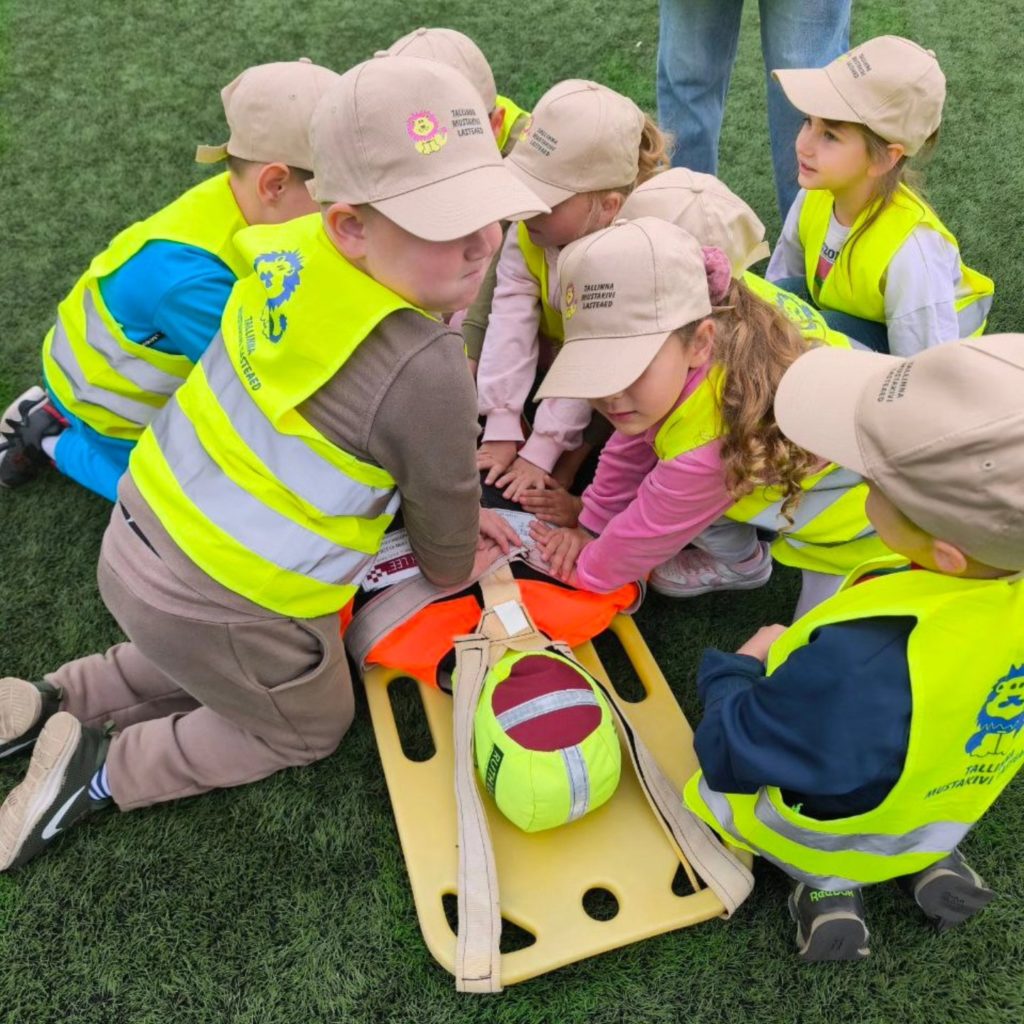
We also run age-appropriate activities from kindergarten through to teenage summer camps, helping children recognise risks, practise safe behaviour, and gain confidence using lifesaving equipment.
In 2025 alone, we took part in nine large-scale water safety events, reaching over 5,000 visitors. At these events, Ruth Lee manikins are always the main attraction – drawing in both children and adults and creating safe, judgement-free learning moments.
Real Impact in the Community
What impact have you seen from your education and prevention work?
Children in Estonia are eager to learn life-saving skills, and schools regularly ask us back year after year.
A standout example comes from our long-term partner, the Tallinn Scout Unit “Hedgehog.” In both 2024 and 2025, their 14–15-year-olds won national and regional scout challenges by a significant margin. The feedback was striking – their first aid skills were sometimes higher than those of the adults running the challenges.
This is the result of regular, realistic training using NATO-standard first aid algorithms like AVPU, MARCH, MIST and FAST, combined with hands-on practice using Ruth Lee manikins. When young people train properly, they gain both competence and confidence to act in real emergencies.
Teaching Water Safety: Challenges & Approach
What are the biggest challenges in teaching water safety, and how do you keep sessions engaging?
The biggest challenge is funding. Satisfaction surveys and knowledge tests show excellent results, but as a volunteer organisation there are limits to what we can do without sustainable support.
From a learning perspective, the answer is clear: hands-on, realistic training works best. We push participants – children and adults – to their limits in a safe, controlled environment to simulate real pressure. This maximises learning and retention.
More than 90% of participants return for further training. Realistic manikins, scenario-based exercises and measurable feedback make sessions interactive, honest and memorable.
Key Lessons Participants Take Away
What do you hope every participant learns?
First and foremost, we want to change how people think about safety. It’s not a set of rules imposed from outside – it’s personal responsibility.
We emphasise that your own safety comes first. If a rescuer becomes a casualty, the situation worsens. Help must be given thoughtfully, not impulsively.
We also stress that theory alone isn’t enough. Many people believe they can perform CPR because they attended a course years ago. But when we invite them to demonstrate on a Ruth Lee manikin, reality often tells a different story. That honest moment is often the turning point – when people realise the importance of regular, realistic practice.
Why Ruth Lee Manikins?
How did you first start using Ruth Lee manikins?
I first encountered Ruth Lee manikins while working as a first aid instructor with the Estonian Red Cross. I was impressed by the realism and training potential.
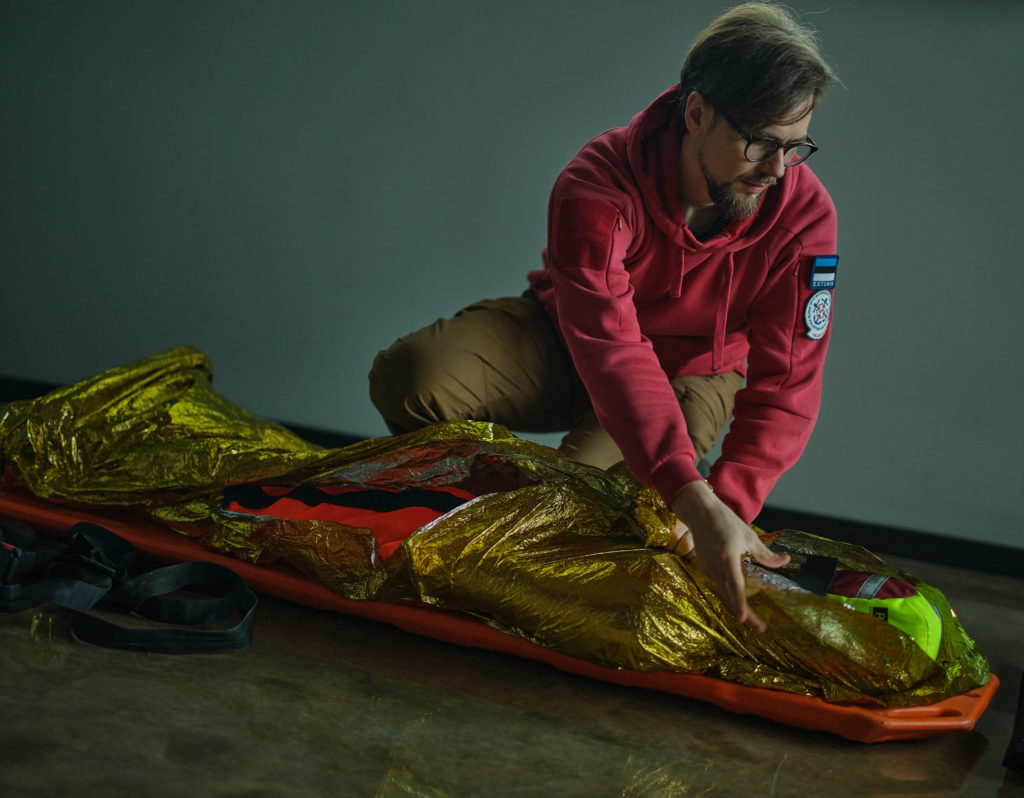
We now use the Ruth Lee Full Bodied CPR Manikin alongside Laerdal Little Anne QCPR for measurable CPR training, and the Ruth Lee Overboard Manikin (20kg Youth) for marine rescue scenarios.
These manikins fit perfectly with our focus on realistic training – both on land and at sea.
Training That Feels Real
How do the manikins improve your training for different audiences?
The combination of full-body manikins and real-time feedback is incredibly powerful. At public events, people often start with a CPR effectiveness rate of just 20–30%. With one minute of guidance, many reach 90–100%. Seeing that improvement instantly is eye-opening – and children love challenging their parents to beat their score.
The full-body design allows us to simulate trauma, burns or severe bleeding, helping participants learn to prioritise injuries and follow structured approaches like MIST.
The Overboard Manikin becomes significantly heavier in the water, making it ideal for practising realistic recovery, boat handling and teamwork – especially for children, young people and women.
High-Stress, High-Value Scenarios
Can you share an example where the manikins made a real difference?
In first aid courses for new boat captains, we focus on one key message: the further from shore you are, the more you must rely on yourself.
Training starts in the classroom, then moves onto boats and eventually out to sea — sometimes in one-metre waves, tight spaces, panic simulations and even smoke to replicate fire. Using Ruth Lee manikins in these conditions forces crews to cooperate, assign roles and stay calm under pressure.
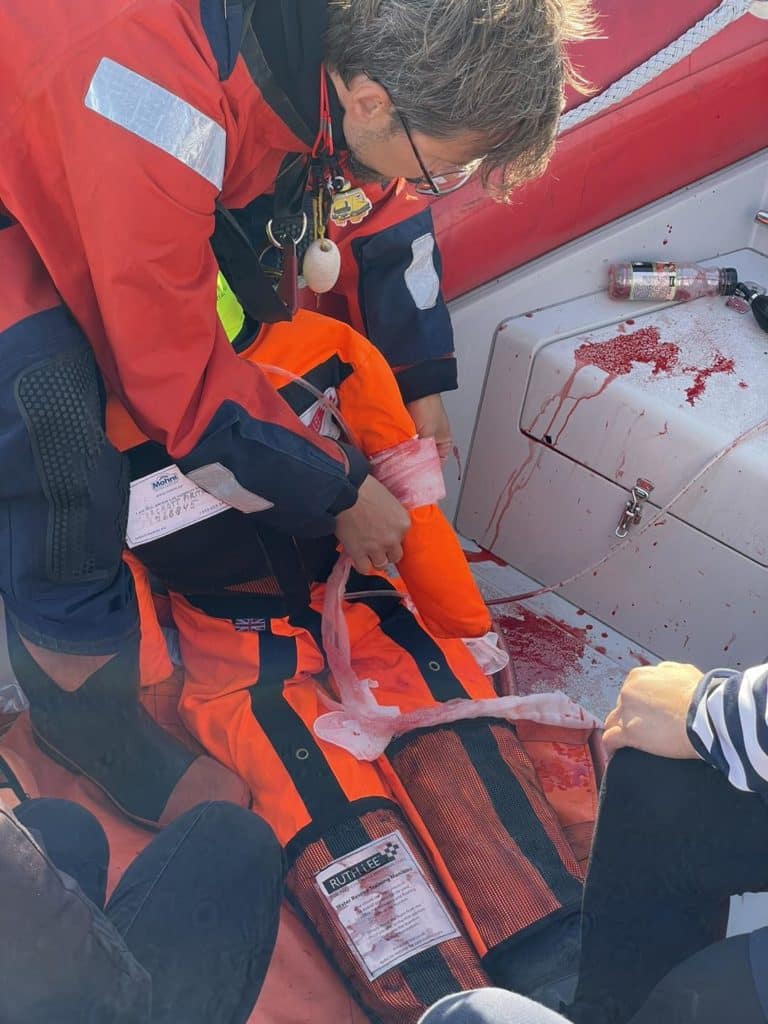
This training doesn’t just improve technical skills – it builds trust, teamwork and realistic expectations of emergency situations.
Raising Standards Across the Board
Have the manikins changed the way you deliver training?
Absolutely – 100%.
Ruth Lee manikins are central to almost all our training. They allow us to deliver measurable, repeatable and realistic practice across a wide range of scenarios.
They’ve raised the standard not only for our participants, but within our own team. Regular work with realistic manikins has improved how we design scenarios, teach under pressure and assess performance. They’ve become a shared platform for learning and growth.
Looking Ahead: The Estonian Safety Centre
Pirita SAR has a bold long-term vision: the creation of an Estonian Safety Centre – a dedicated competence centre where the public, rescuers and trainers can learn water safety, crisis preparedness and first aid using realistic, non-formal methods.
They already have local government approval for a site and are now seeking partners and sponsors to help bring this centre to life.
👉 If you or your organisation are interested in supporting or sponsoring the Estonian Safety Centre, please get in touch with Pirita SAR directly.
Follow Watergratt Pirita SAR
To learn more about their work and follow their training and community activities:
- Facebook: www.fb.com/watergratt
- Instagram: https://www.instagram.com/piritasar/
Watergratt Pirita SAR exemplifies what happens when operational excellence meets passionate education. Their commitment to realism, honesty and community engagement aligns perfectly with Ruth Lee’s belief that the best training prepares people for the realities they may one day face.
We’re proud to see Ruth Lee manikins supporting their work – helping them educate, inspire and ultimately save lives.