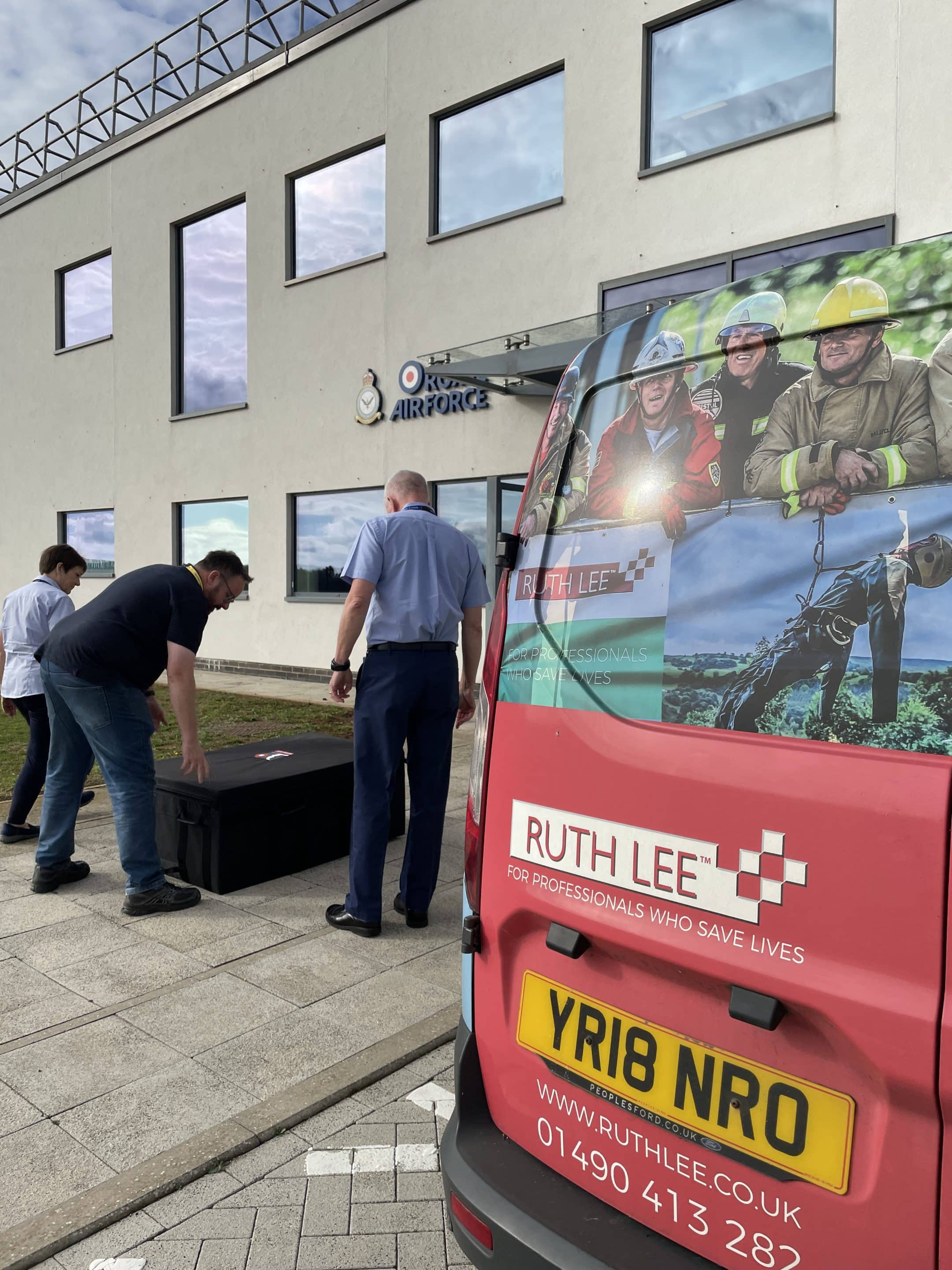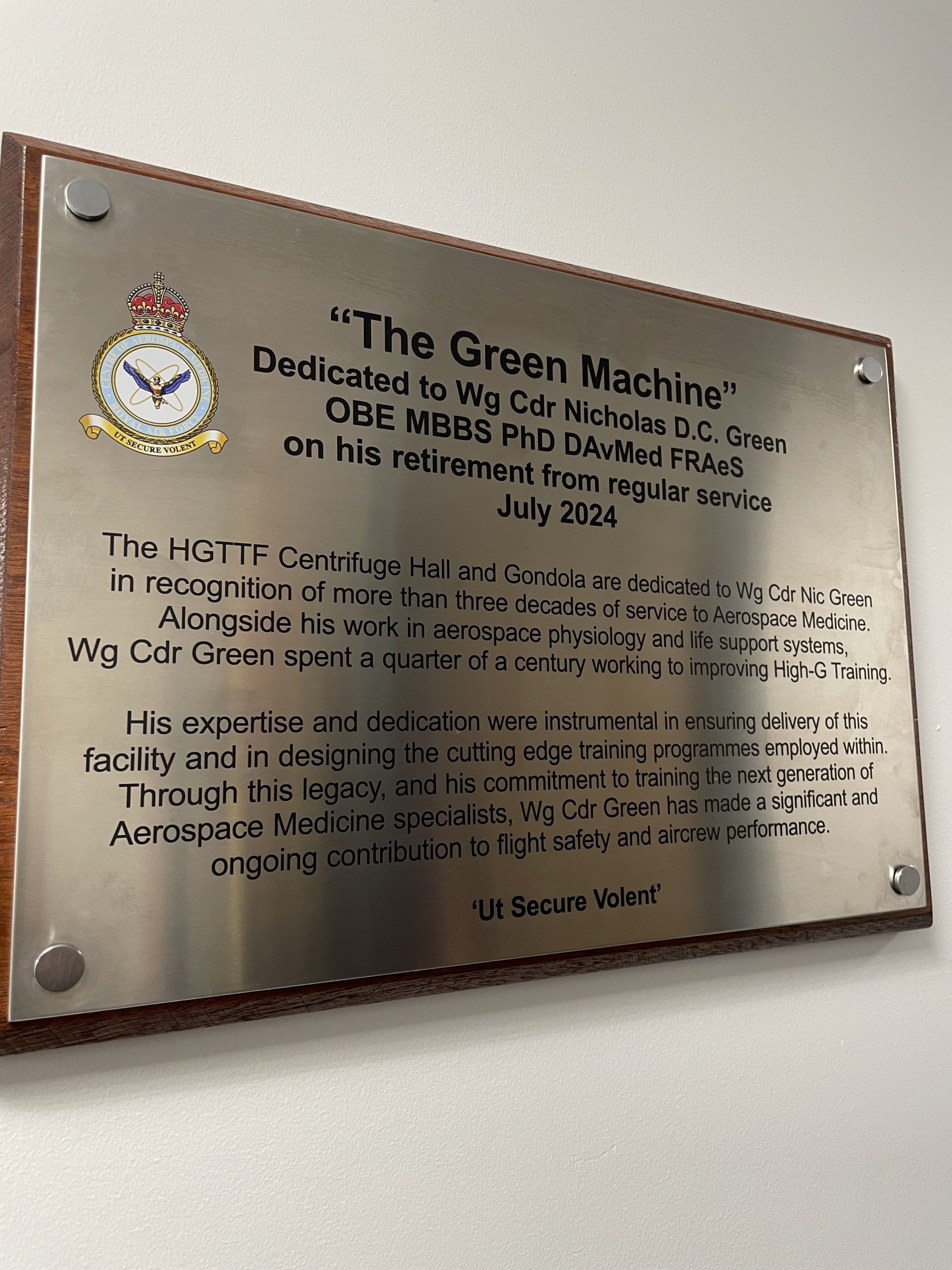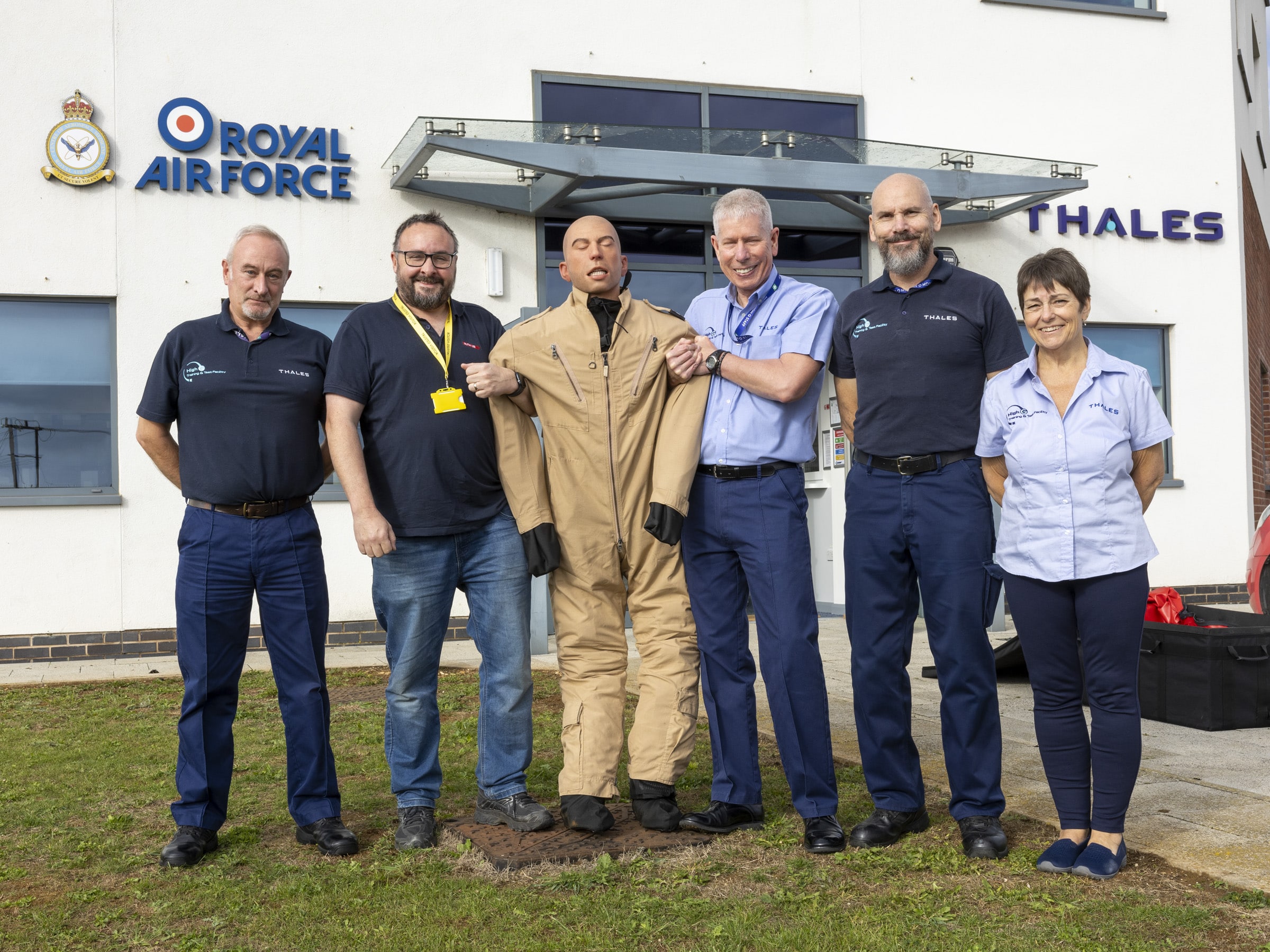
When you’re training people to operate in some of the most extreme conditions imaginable, being prepared for the unexpected is essential. During a recent visit to the High-G Training and Test Facility at RAF College Cranwell, we discovered how a Ruth Lee Advanced Water Rescue Manikin will help its team prepare for medical emergencies when every second counts.
What does it feel like to experience nine times the force of gravity? We had the opportunity to find out a little more during our visit to the High-G Training and Test Facility at RAF College Cranwell, where we delivered a new Advanced Water Rescue Manikin to support the team’s medical emergency training.
The visit offered a fascinating insight into the work taking place behind the scenes to prepare aircrew for the demands of modern flying, as well as the importance of ensuring the team on the ground is ready to respond when something goes wrong.
Training for the realities of modern flying
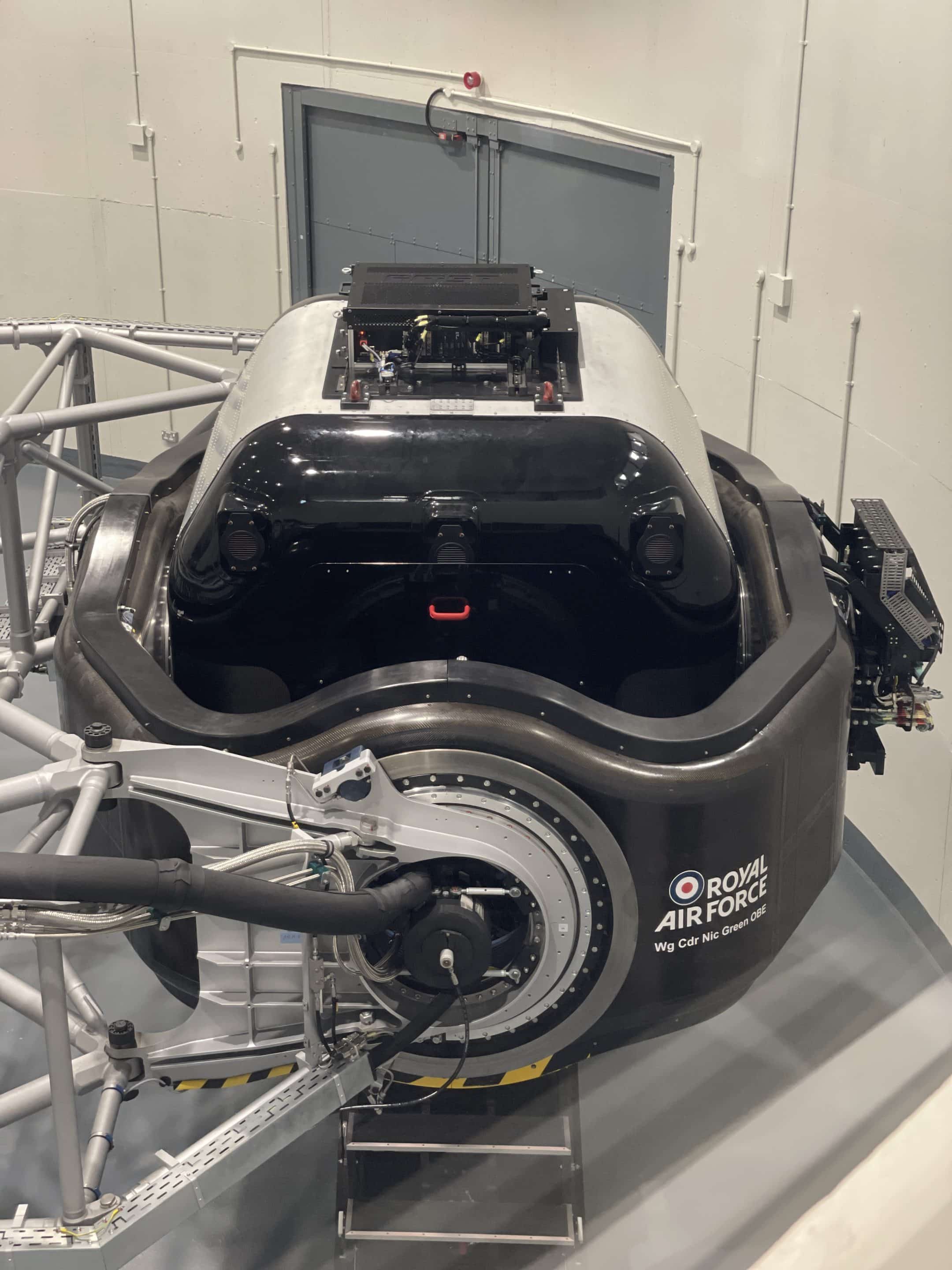
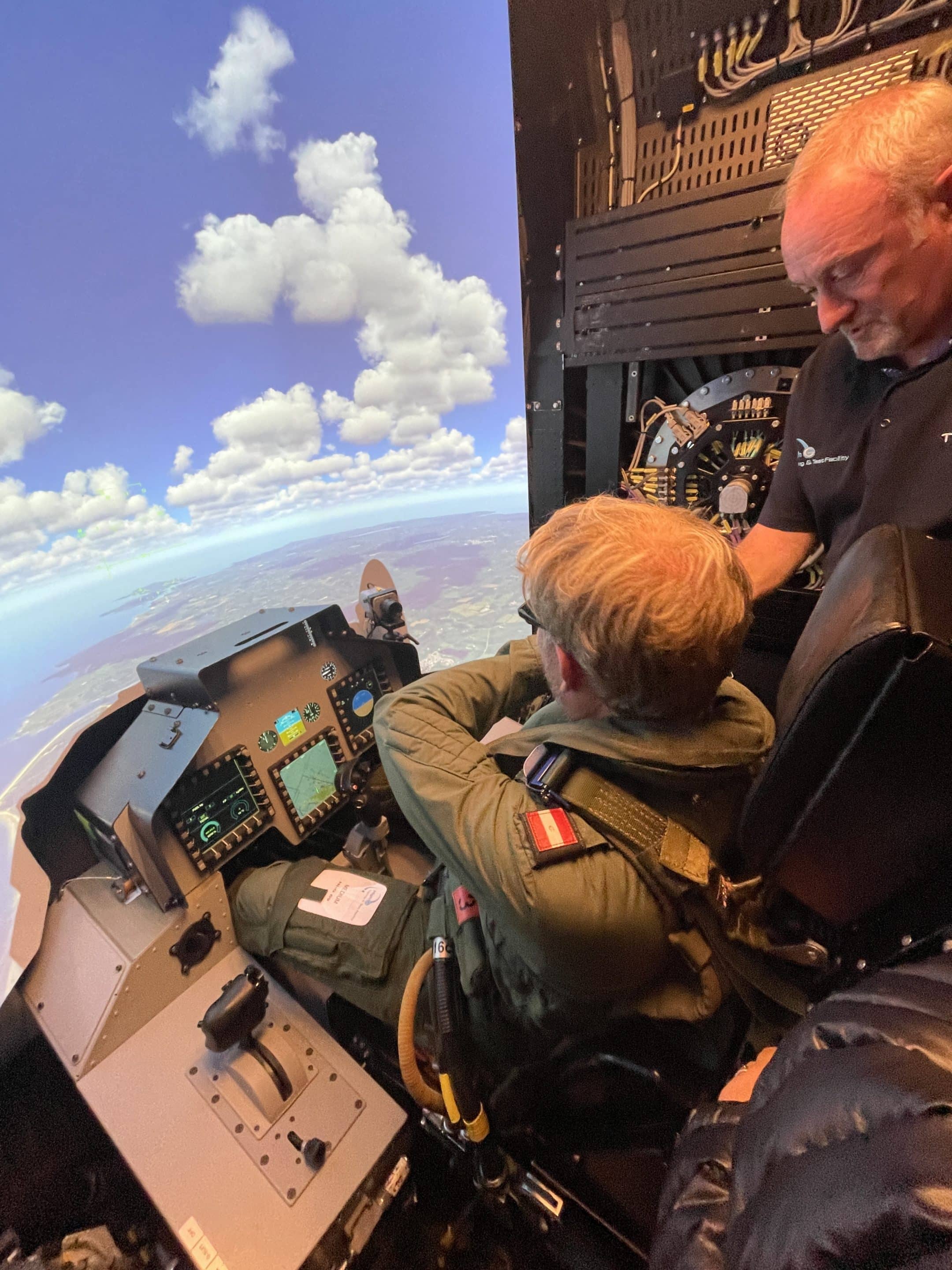
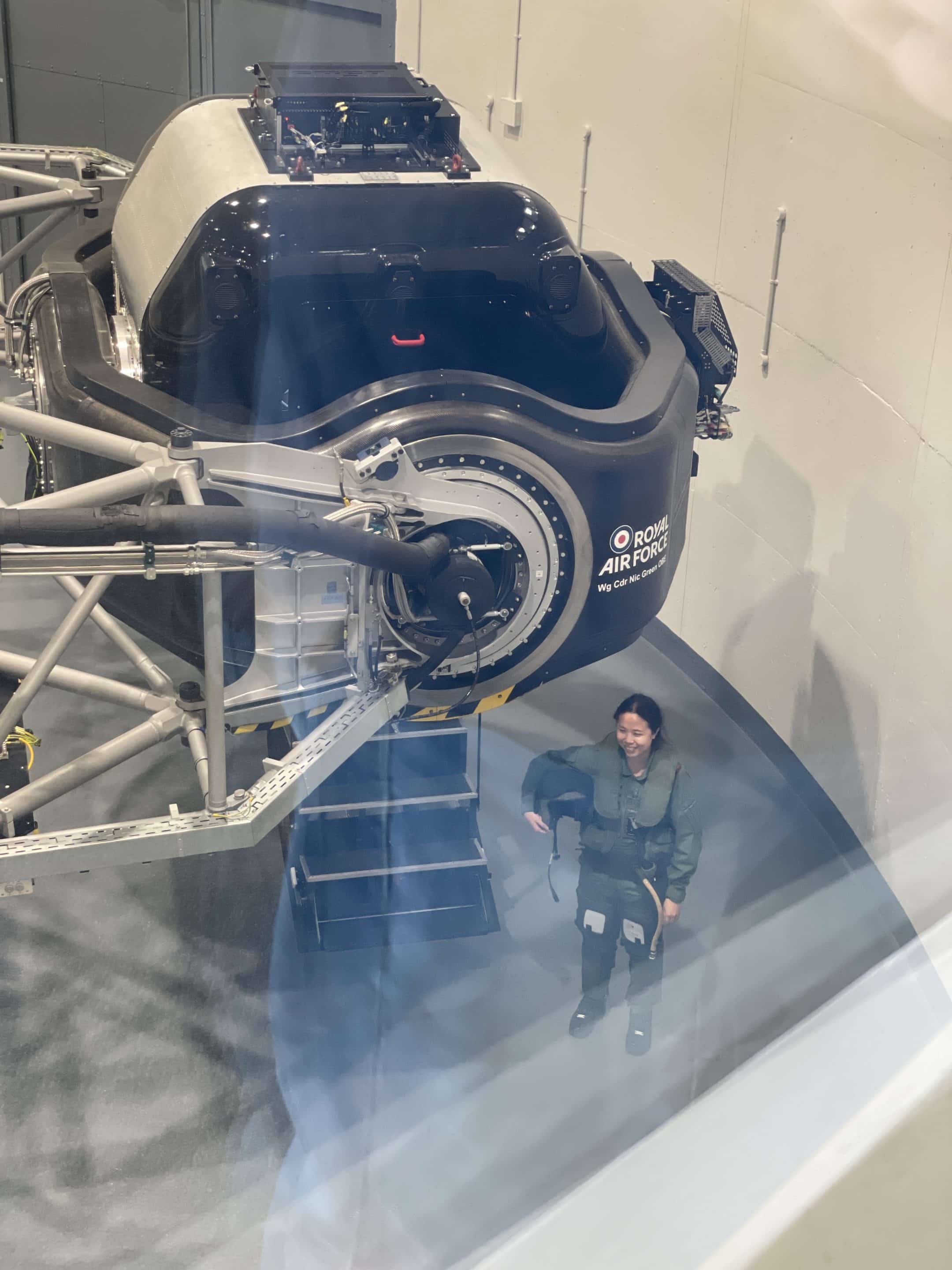
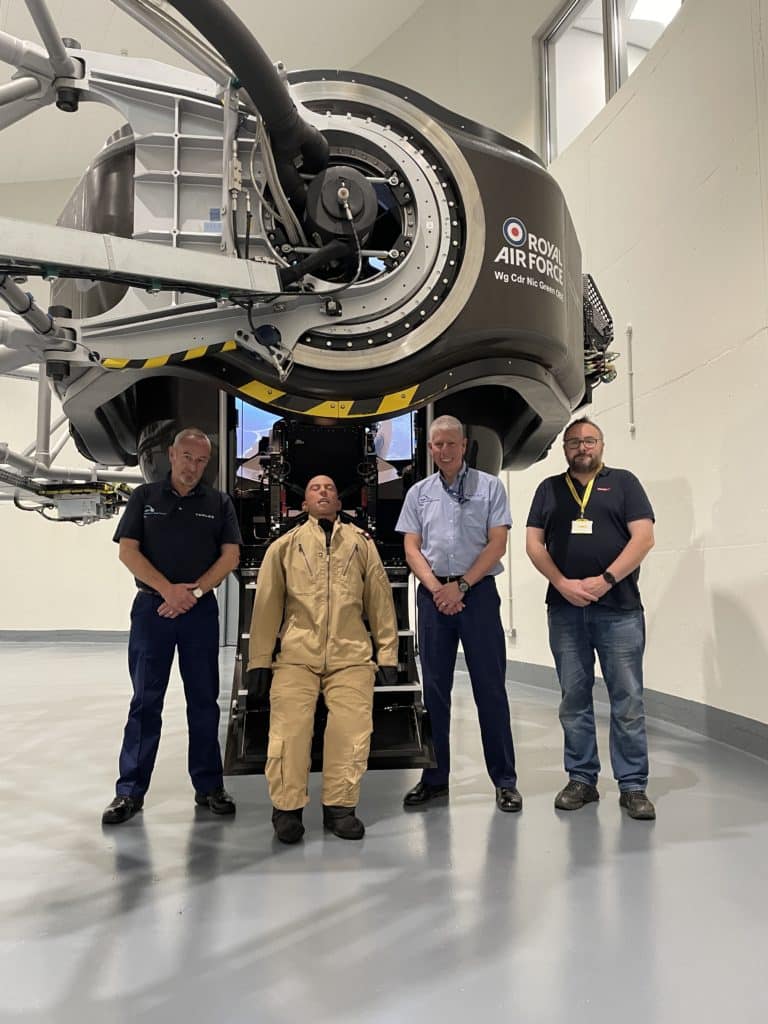
The facility’s centrifuge is a remarkable piece of engineering. Designed to replicate the physical demands of fast-jet flying far more closely than the older equipment it replaced, it allows trainees to experience the effects of high G-forces in a controlled environment.
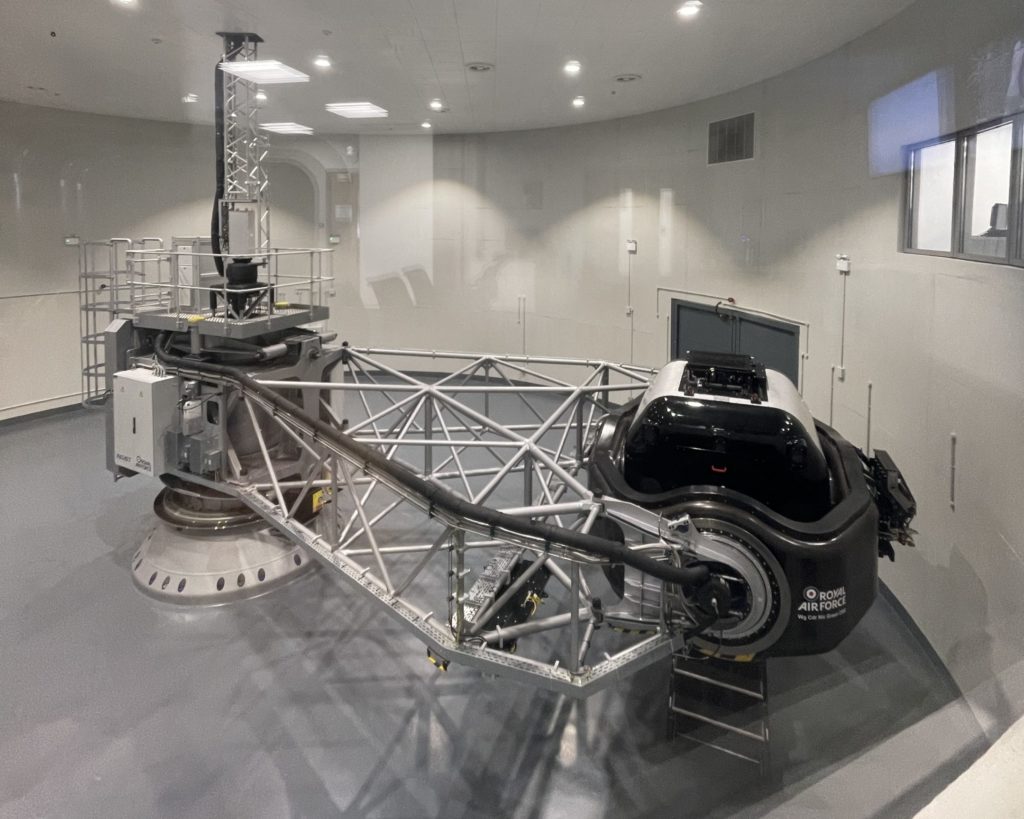
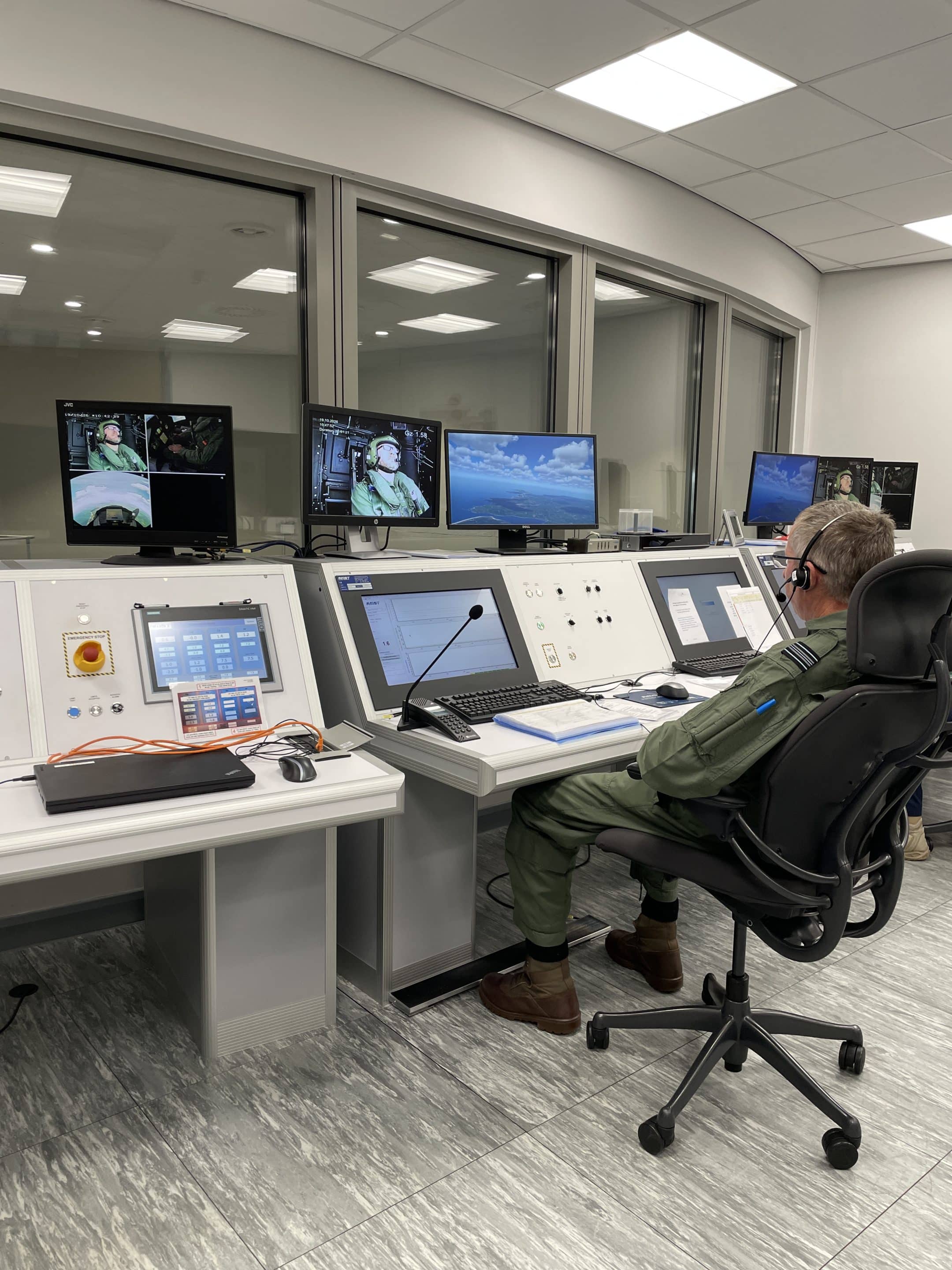
Unlike the previous machine, the modern centrifuge can both spin and tilt, with a flight simulator built into the gondola. This adds another layer of realism, allowing the team to introduce distractions, recreate different flying scenarios and measure how people respond under pressure.
The machine can deliver G-forces at a rate of up to 6G per second and reach a maximum of 12G, although training is typically conducted at up to 9G, or 7G for Hawk training.
Watching the team put the facility through its paces gave us a real appreciation of the environment in which they work. Even the emergency-stop tests at high G are quite something to witness!
But while the centrifuge is designed to replicate the demands of flying, the team’s preparations don’t stop when the machine does.
Preparing for a medical emergency
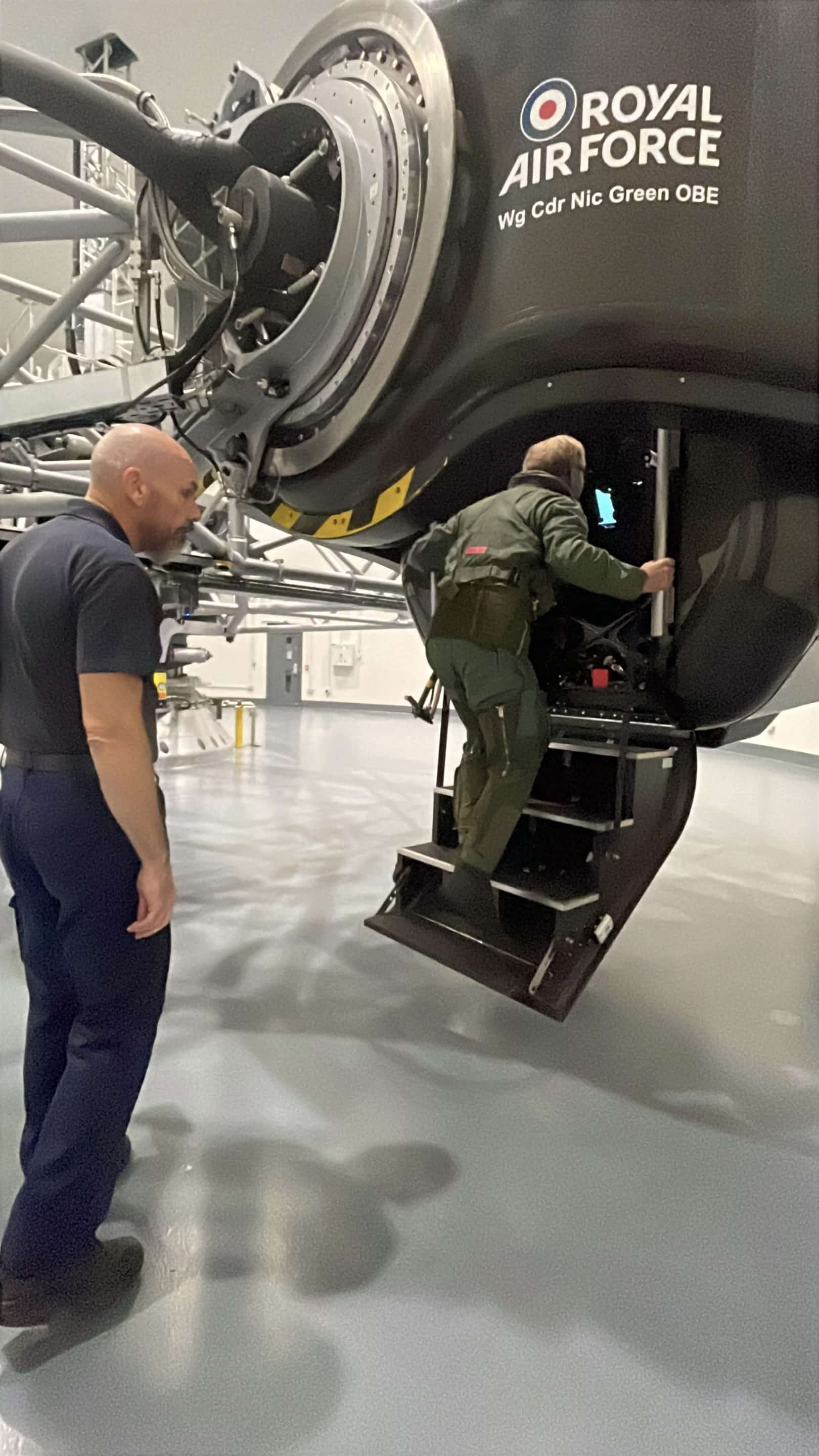
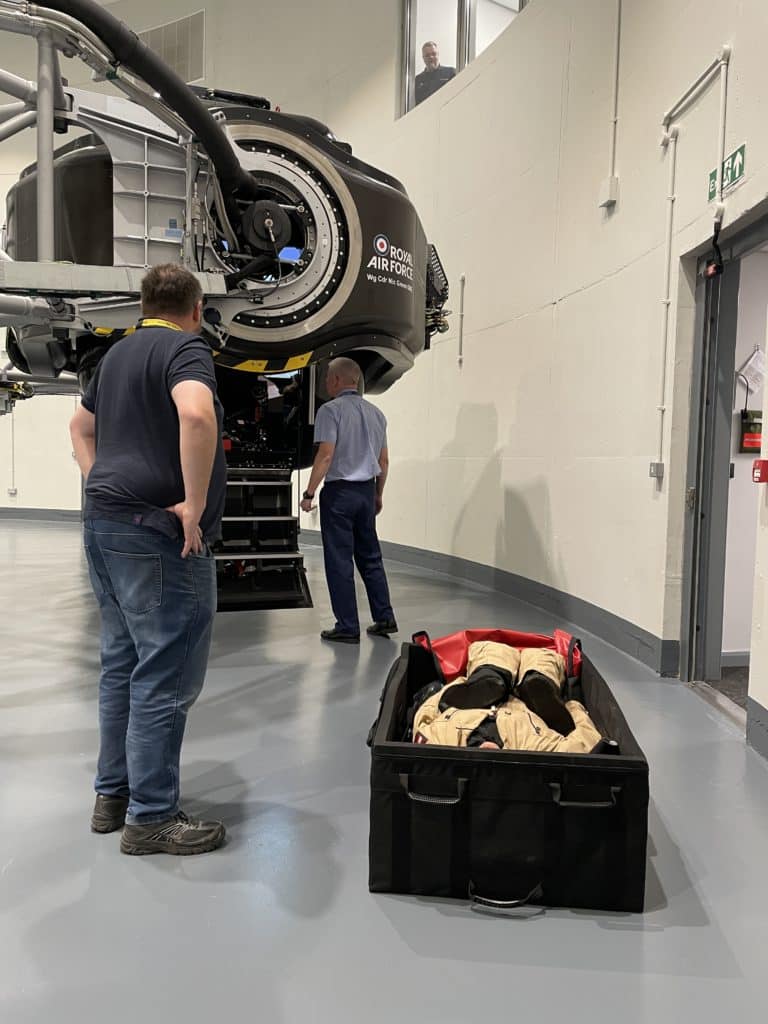
If someone experiences a medical emergency during high-G training, the team must be ready to act quickly and safely. This includes extracting the individual from the centrifuge gondola and transferring them into the medical training room next door, where further assessment and treatment can take place.
It’s a procedure that requires coordination, clear communication and the ability to handle a casualty safely in a challenging environment.
To prepare for these situations, the centre wanted a way to practise the extraction and subsequent medical response regularly, without relying on a volunteer being available every time.
Finding enough willing volunteers to support realistic, repeatable training can be a challenge. The team needs to be able to take advantage of opportunities between scheduled pilot training sessions, making the most of any available time to practise and maintain their skills.
That’s where Ruth Lee comes in.
A realistic casualty, ready when the team is
The centre has invested in a Ruth Lee Advanced Water Rescue Manikin to support its medical emergency training.
Although developed for demanding rescue scenarios, the manikin’s capabilities make it a valuable training tool in this specialist environment. Its realistic weight and handling characteristics allow the team to practise moving and extracting a casualty, while its airway and CPR features enable them to incorporate further medical interventions into their scenarios.
Rather than simply rehearsing the physical extraction, the team can practise more of the process, from safely removing a casualty from the gondola to responding to a potential medical emergency in the training room.
Crucially, the manikin is available whenever the team has an opportunity to train.
This means they can run more frequent practice sessions between pilot training activities, without having to coordinate the availability of a volunteer. They can repeat scenarios, reinforce procedures and build confidence through regular practice.
For a facility where realism and readiness are central to its work, having a high-fidelity manikin available at short notice provides a practical way to make training more flexible and consistent.
Supporting the people who prepare others
Our visit to RAF College Cranwell was a reminder that effective emergency preparedness extends far beyond the people in the aircraft. It also depends on the teams responsible for responding when something doesn’t go to plan.
The High-G Training and Test Facility provides an environment where aircrew can experience the demands of modern flying in controlled conditions. The new manikin will help its team prepare for the medical emergencies that could arise during training, ensuring they have opportunities to practise their response when time allows.
At Ruth Lee, we work closely with customers to understand the realities of their training environments and the challenges they face. This visit was a great example of how a manikin developed for one area of rescue training can support a very different, highly specialised application.
Because when it comes to emergency preparedness, the more opportunities teams have to practise realistically, the better prepared they can be when it really matters.
Find out more
Interested in how the Advanced Water Rescue Manikin could support your training?
Visit our website to find out more about the Advanced Water Rescue Manikin, or get in touch with our team if you have any questions. We’re always happy to discuss your training requirements and help you find the right solution.
Free demonstrations are available throughout the UK, giving you the opportunity to see our manikins in action before making a decision.
For enquiries outside the UK, please contact your local Ruth Lee distributor.