
In October 2025, new first aid training standards came into effect, introducing updated guidance on the management of traumatic (catastrophic) bleeding — a vital step forward in ensuring workplaces are prepared to respond to life-threatening injuries.
These updates fall under the Health and Safety (First Aid) Regulations 1981, which require all first aid training to align with current best practice from recognised bodies such as the Resuscitation Council UK (RCUK) and the Voluntary Aid Societies (VAS) – including St John Ambulance, the British Red Cross, and the RLSS UK.
What’s Changing and Why It Matters
The inclusion of traumatic bleeding in core first aid qualifications marks a significant shift. Until now, this topic has largely been reserved for higher-level emergency training, but the new guidelines recognise that life-threatening bleeding can happen anywhere – including in care homes, assisted living environments, private healthcare facilities, and workplaces.
For carers, nurses, and occupational health teams, this means first aid training will now go beyond minor wound management to include skills such as:
- Identifying and responding to life-threatening bleeds
- Applying firm direct pressure and using tourniquets or haemostatic dressings
- Coordinating an emergency response while awaiting professional help
In environments where falls, mobility incidents, and self-inflicted injuries can occur, this update ensures that first aiders have the skills and confidence to respond immediately in the critical first moments following a severe bleed.
Why It’s Relevant for Care and Health Settings
While the incidence of traumatic bleeding in the care sector is lower than in emergency response or industrial environments, the impact of such an event is far greater when it does happen.
A serious fall resulting in a deep laceration or arterial bleed could be fatal without swift intervention – particularly among older adults or people with underlying health conditions that affect blood clotting.
For care staff, these changes mean:
- Enhanced first aid competence and preparedness across all shifts
- More realistic training scenarios, improving confidence in real-world emergencies
- Better alignment with national standards and inspection expectations (e.g. CQC compliance)
Preparing for the Update: Training with Realism
To deliver meaningful training, simulation is key. This is where realistic, durable training aids can make a real difference.
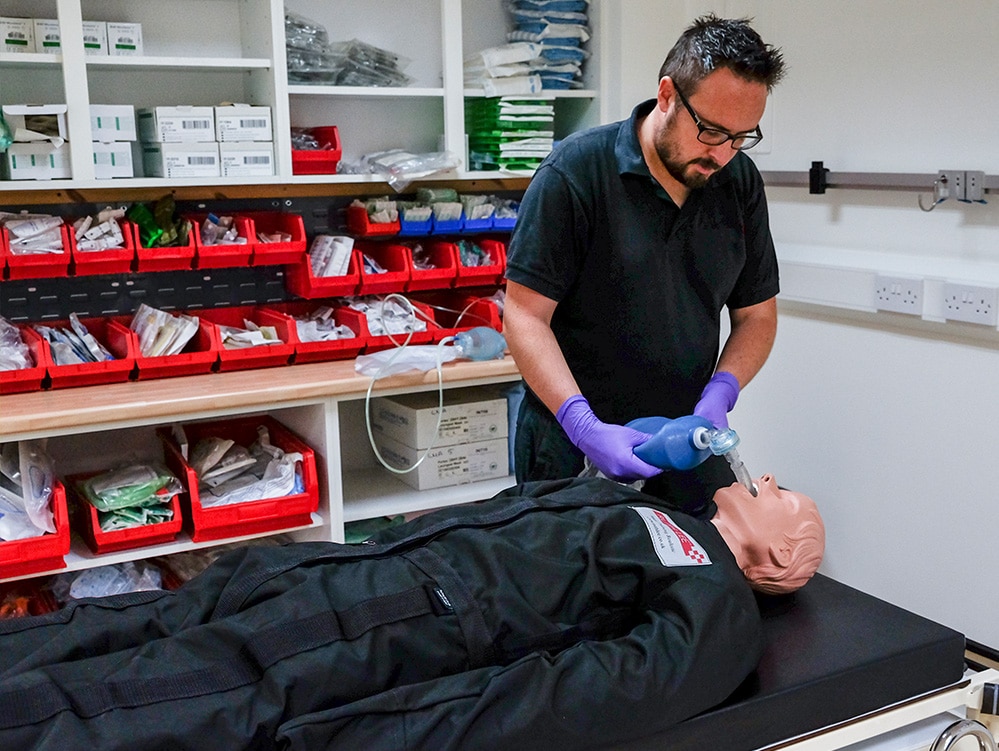
The Ruth Lee Trauma Rescue Manikin was designed specifically to help instructors simulate a range of realistic injuries – including catastrophic bleeding, CPR, and casualty handling – all in one versatile manikin.
This means your teams can practise managing life-threatening bleeds, airway management, and CPR in a safe, controlled environment that reflects the challenges they may face in real life.
For training providers working in the care sector, this manikin supports compliance with the latest resuscitation and first aid quality standards, enabling scenario-based learning that builds both confidence and competence.
A More Confident Bystander Response
Ultimately, these guideline changes are about creating more confident and capable first responders – people who can act quickly and effectively when every second counts.
For care staff, that might mean responding to a resident’s fall, a kitchen accident, or a rare but serious self-harm injury.
Training with tools like the Trauma Rescue Manikin and the RL360 mixed reality training system can help build that confidence, allowing first aiders to rehearse realistic trauma responses – including CPR and catastrophic bleed management – within one integrated session.
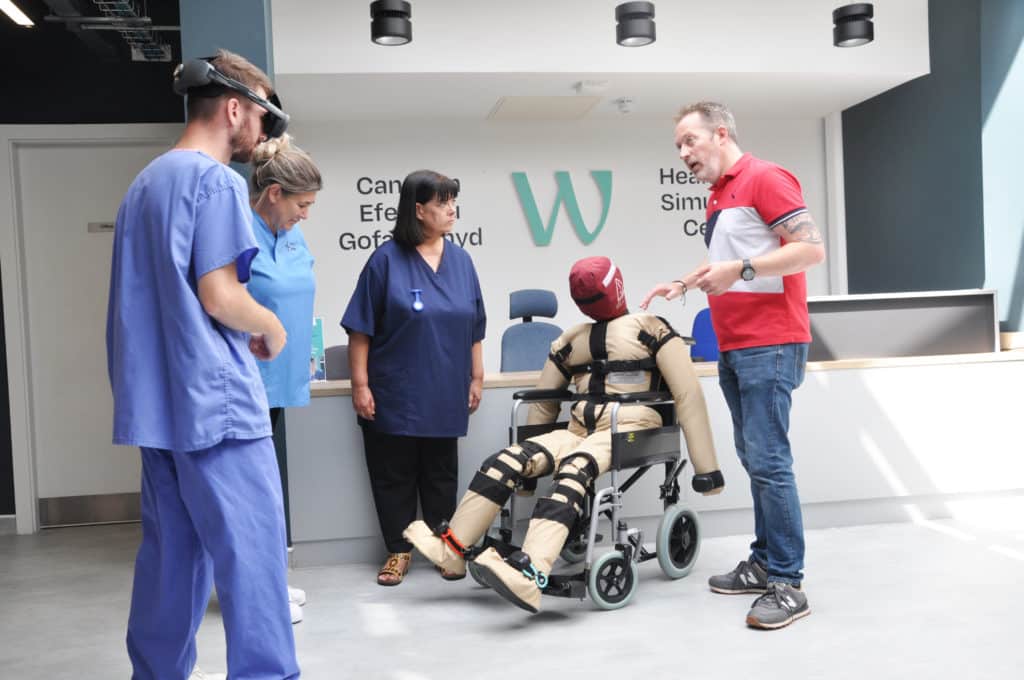
Students at Wrexham University use the RL360 Mixed Reality Headset to enhance their training experience
Staying Ahead of Change
As new qualifications roll out from October, now is the time for care homes, private healthcare providers, and occupational health teams to review their first aid provision and ensure upcoming training aligns with the revised standards.
The result? Safer environments, better-prepared staff, and ultimately, more lives saved through effective early intervention.
👉 Contact us today to discuss how your facility can roll out training in line with the new 2025 Resuscitation Guidelines.
Further Reading: