
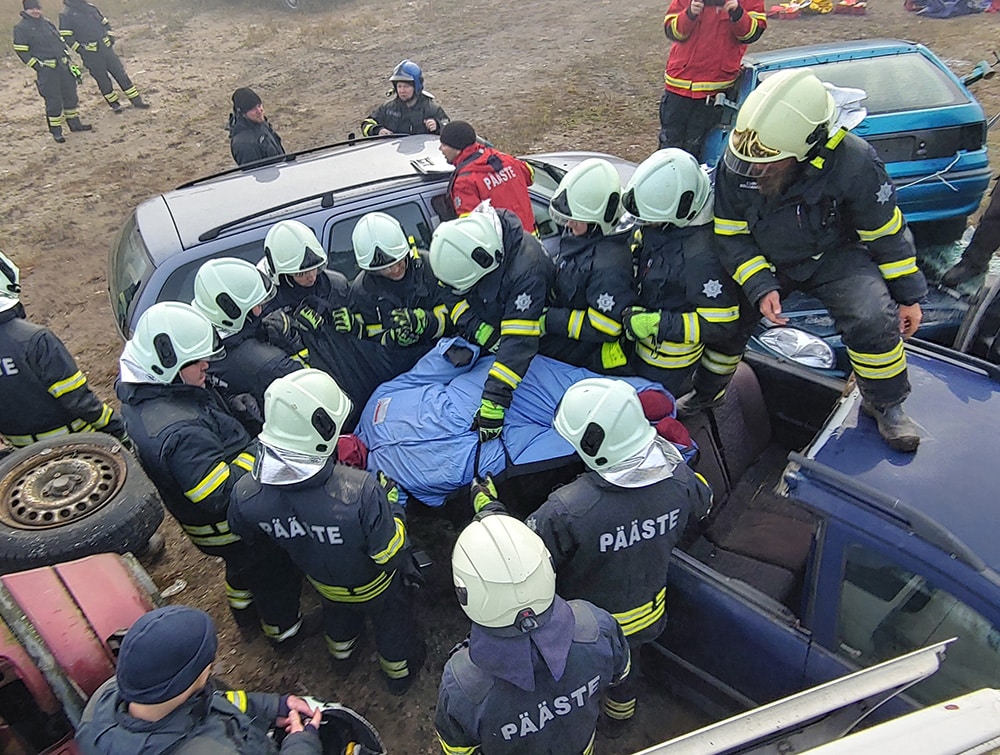
Emergency responders are increasingly facing complex rescue situations that require specialist skills, equipment, and careful planning. Among these challenges is the growing demand for bariatric rescues, where traditional rescue techniques and equipment may not always be suitable.
Recent figures highlight the increasing frequency of these incidents, with firefighters attending 2,539 bariatric rescue incidents in 2025 – the equivalent of around one call every four hours.¹ This represents a significant increase compared with a decade earlier, when just 442 incidents were recorded in 2013, demonstrating the growing need for emergency services to prepare for these challenging scenarios.
The increase in bariatric rescues reflects wider changes within society. The latest Health Survey for England found that 30% of adults aged 16 and over were living with obesity, while 66% were either overweight or living with obesity.². This compares with obesity prevalence of 15% when comparable survey data began in 1993.²
Meeting the Challenge Head-On
Fire and rescue services continue to adapt their operational response to reflect changing community needs and incident demands.³ Bariatric rescues present unique challenges, often requiring additional personnel, specialist equipment, and carefully coordinated rescue techniques.
Ruth Lee Bariatric Training Manikins have been specifically developed to help emergency responders prepare for these scenarios. Designed to replicate the weight, size, and handling challenges associated with larger casualties, they provide a safe and realistic way for teams to practise their rescue procedures.
Available in four weight variants from 50kg to 260kg, Ruth Lee Bariatric Training Manikins allow responders to train for a wide range of situations, from patient handling and movement to complex extrication scenarios.
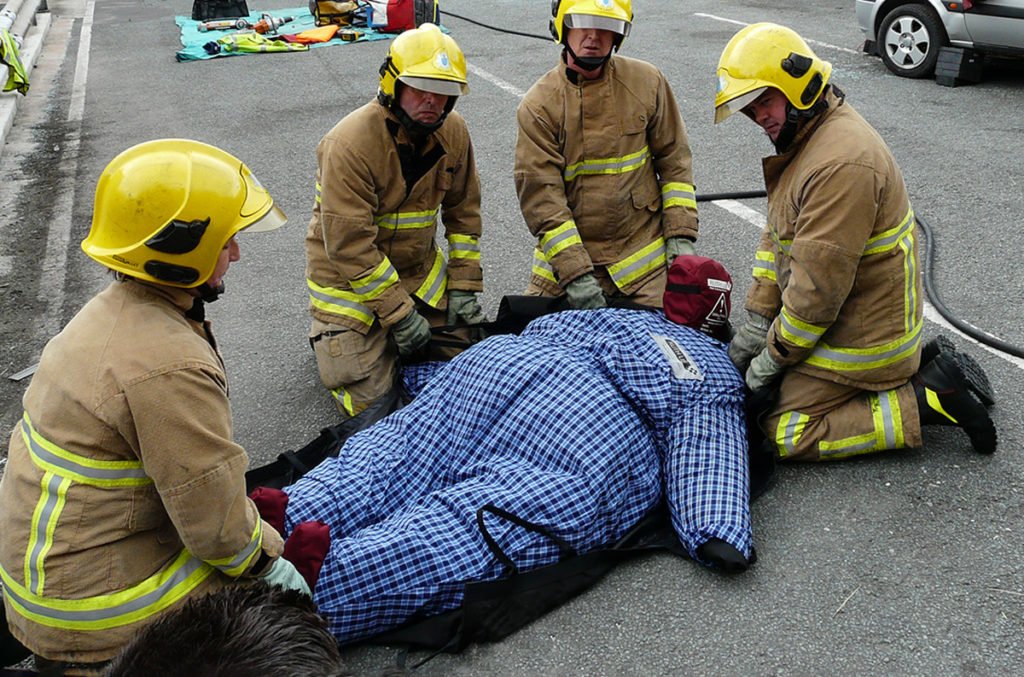
By incorporating realistic bariatric scenarios into training programmes, responders can develop confidence in their techniques, test equipment, and refine procedures before encountering these challenging situations in real life.
Empowering Firefighters Through Realistic Simulation
One example of realistic bariatric rescue training in action comes from Outreach Rescue and Hereford and Worcester Fire and Rescue Service, who regularly incorporate challenging rescue exercises into their training.
In one scenario, teams practised the complex extraction of a plus-sized casualty from a rooftop environment using a 180kg Ruth Lee Bariatric Manikin. The exercise demonstrated the importance of realistic simulation when preparing responders for incidents where traditional approaches may not be suitable.
Paul Simmons from Outreach Rescue highlighted the increasing frequency of these incidents:
“Over the last 5 to 10 years this has become quite a common type of incident.”
This reflects the experience of many emergency services, who are recognising the importance of ensuring their teams have the skills, confidence, and equipment knowledge required to manage bariatric rescues safely.
Training for Complex Rescue Situations
Bariatric rescues can involve a range of additional considerations, including access limitations, casualty movement, lifting techniques, equipment selection, and the coordination of multiple responders.
Without realistic training opportunities, teams may only encounter these challenges for the first time during a live incident. Bariatric training manikins allow responders to practise in a controlled environment, creating realistic scenarios without putting live volunteers at risk.
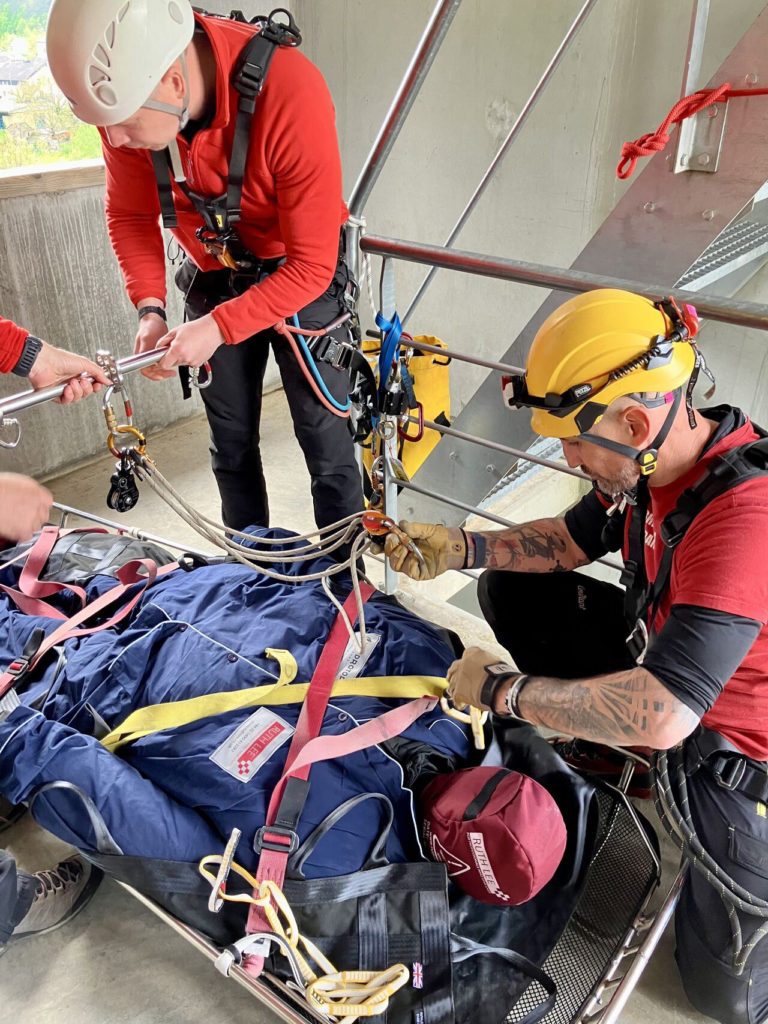
From confined spaces and road traffic collisions to medical emergencies and difficult access situations, training with a bariatric manikin enables teams to test different approaches, identify challenges, and improve their procedures.
This hands-on preparation helps emergency responders build confidence and ensures that when they are faced with a complex rescue situation, they are better equipped to respond safely and effectively.
Reducing Risk During Training
Using a bariatric training manikin also provides significant benefits during exercises. Recruiting suitable volunteers for large-scale rescue scenarios can be challenging, and asking live casualties to participate in demanding drills may introduce unnecessary risks.
A specialist bariatric manikin allows trainers to recreate realistic weight and handling challenges while maintaining a safe training environment. This means teams can practise difficult techniques repeatedly, without compromising the safety of participants.
Preparing for the Future of Rescue Training
As emergency services continue to respond to increasingly diverse and complex incidents, realistic training has never been more important.
The adoption of specialist training tools such as the Ruth Lee Bariatric Training Manikins represents a significant step forward in preparing responders for the challenges they face today and those they may encounter tomorrow.
By investing in realistic simulation, emergency services can help ensure their teams have the practical skills, confidence, and experience needed to protect their communities and deliver safer rescues.
To learn more about Ruth Lee’s Bariatric Training Manikins and discover how they can enhance your training programmes, visit our product page or contact us for more information.
You can also explore our Water-Fillable Bariatric Suit, which transforms an existing Ruth Lee manikin into a plus-sized casualty. Offering the same immersive training experience with easier transport and storage, it provides a flexible solution for services looking to expand their bariatric rescue capabilities.


Together, we can help emergency responders train for the realities of modern rescue.
✉ Interested in getting more useful stories and information straight into your inbox? Join our email community here and we’ll send you regular updates relevant to your sector – You’ll be the first to hear about new products and training developments keeping you ahead of the curve!
Sources & References
¹ Bariatric rescue incident figures
Figures reported in International Fire and Safety Journal (2025), based on data obtained from UK fire and rescue services, highlighting the increase in bariatric rescue incidents attended by firefighters.
https://internationalfireandsafetyjournal.com/bariatric-rescue-foi-uk/
² Obesity prevalence statistics
NHS England, Health Survey for England 2024: Overweight and obesity. Data covering adult obesity prevalence, overweight and obesity rates, and historical comparisons.
https://digital.nhs.uk/data-and-information/publications/statistical/health-survey-for-england/2024
³ Fire and rescue incident statistics
Home Office, Fire and Rescue Incident Statistics, England. Official statistics covering fire and rescue service incidents and operational demand.
https://www.gov.uk/government/collections/fire-statistics-monitor