
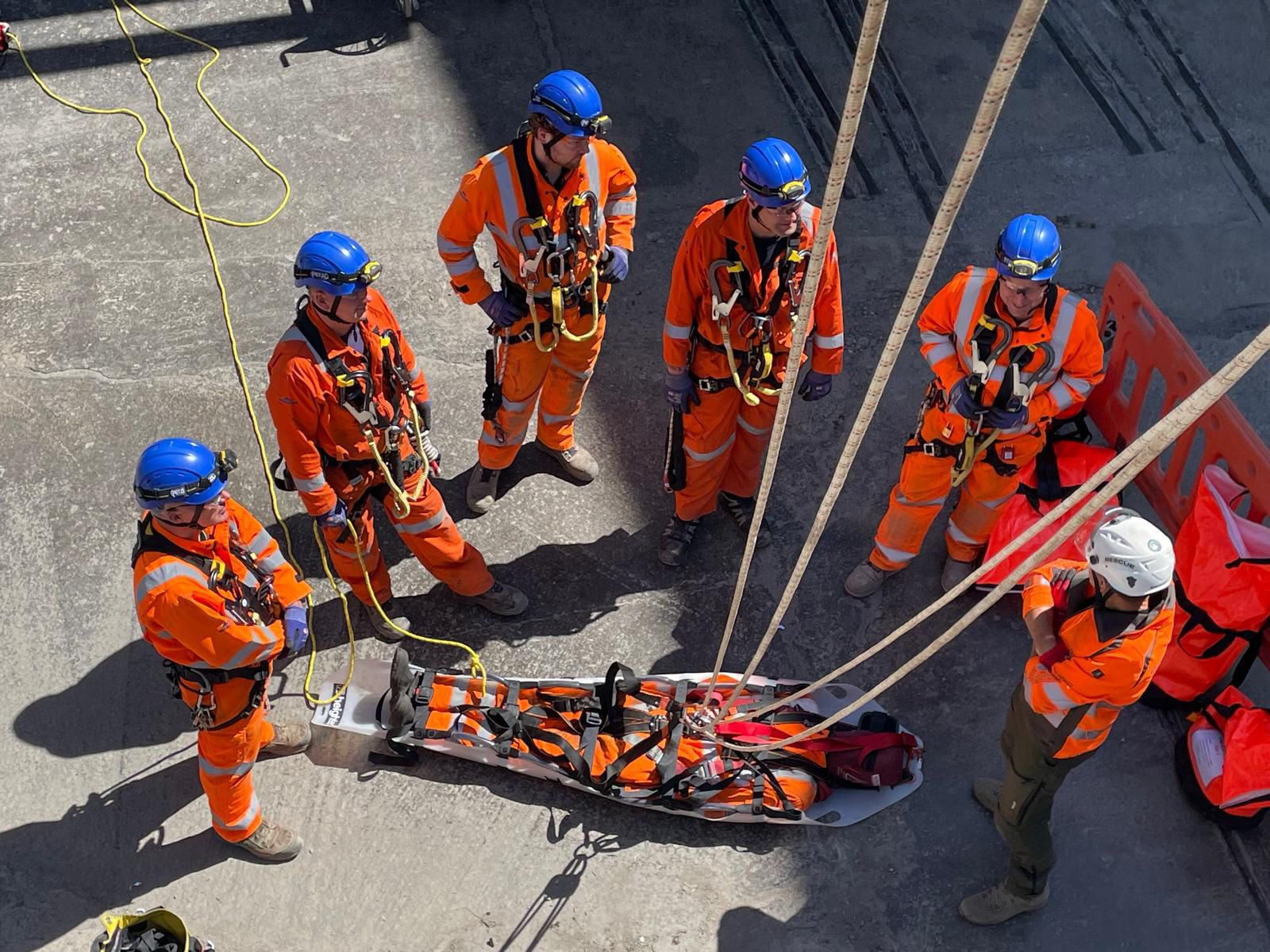
When it comes to working at height and technical rescue, safety is never left to chance. From rope access procedures to rescue equipment and training methods, the industry is shaped by a combination of legislation, standards, and best practice guidance.
But there is often confusion around the difference between legislation and standards – and more importantly, how this relates to rescue training and the use of manikins.
At Ruth Lee, we work closely with rescue professionals across rope access, industrial rescue, wind energy, fire and rescue, and offshore sectors. As Associate Members of IRATA, we understand how important realistic, compliant, and effective rescue training is for teams operating in high-risk environments.
So, what is the difference between standards and legislation – and where do rescue training manikins fit into the picture?
Legislation Sets the Requirement
Legislation is the legal framework that organisations must follow. In the working at height sector, this may include regulations relating to:
- Work at Height
- Personal Protective Equipment (PPE)
- Machinery and lifting equipment
- Health and safety responsibilities
- Rescue planning and emergency preparedness
Legislation defines the essential requirements – in other words, what organisations must achieve to remain compliant and keep people safe.
However, legislation does not always explain exactly how to achieve this in practice.
For example, legislation may require employers to:
- Have a rescue plan in place
- Ensure personnel are properly trained
- Use appropriate equipment
- Reduce risks to workers during rescue operations
But it will rarely prescribe the exact rescue scenario, equipment configuration, or training method that should be used.
That is where standards and industry guidance come in.
Standards Define Best Practice
Standards are developed by industry experts, technical committees, manufacturers, and professional bodies to provide practical guidance and technical benchmarks.
Unlike legislation, standards are typically voluntary – but they are widely recognised as representing the accepted “state of the art” within an industry.
In rope access and technical rescue, standards help organisations demonstrate that their procedures, equipment, and training methods align with recognised good practice.
This is especially important in industries where rescue capability can literally mean the difference between life and death.
Why Realistic Rescue Training Matters
One of the biggest challenges in working at height rescue training is realism.
Many rescue scenarios involve quickly recovering an unconscious or incapacitated casualty from suspension, confined spaces, towers, structures, or difficult access environments. Training with a willing volunteer may seem convenient, but it introduces several problems:
- Volunteers instinctively assist rescuers
- It is difficult to simulate a genuinely unconscious casualty
- Manual handling risks increase
- Suspension scenarios can place volunteers at risk
- Teams cannot fully test rescue strategies under realistic conditions
This is why rescue manikins have become such an important part of modern training programmes.
The Role of Manikins in Rope Access & Height Rescue Standards
The use of manikins in rescue training is not simply a preference – it is increasingly recognised as best practice within the industry.
In fact, IRATA specifically references rescue manikins within its membership requirements, stating:
“Manikins of at least 70kg shall be available for rescue exercises.”
This requirement reflects a wider industry understanding that realistic rescue training is essential for developing competent rescue teams.
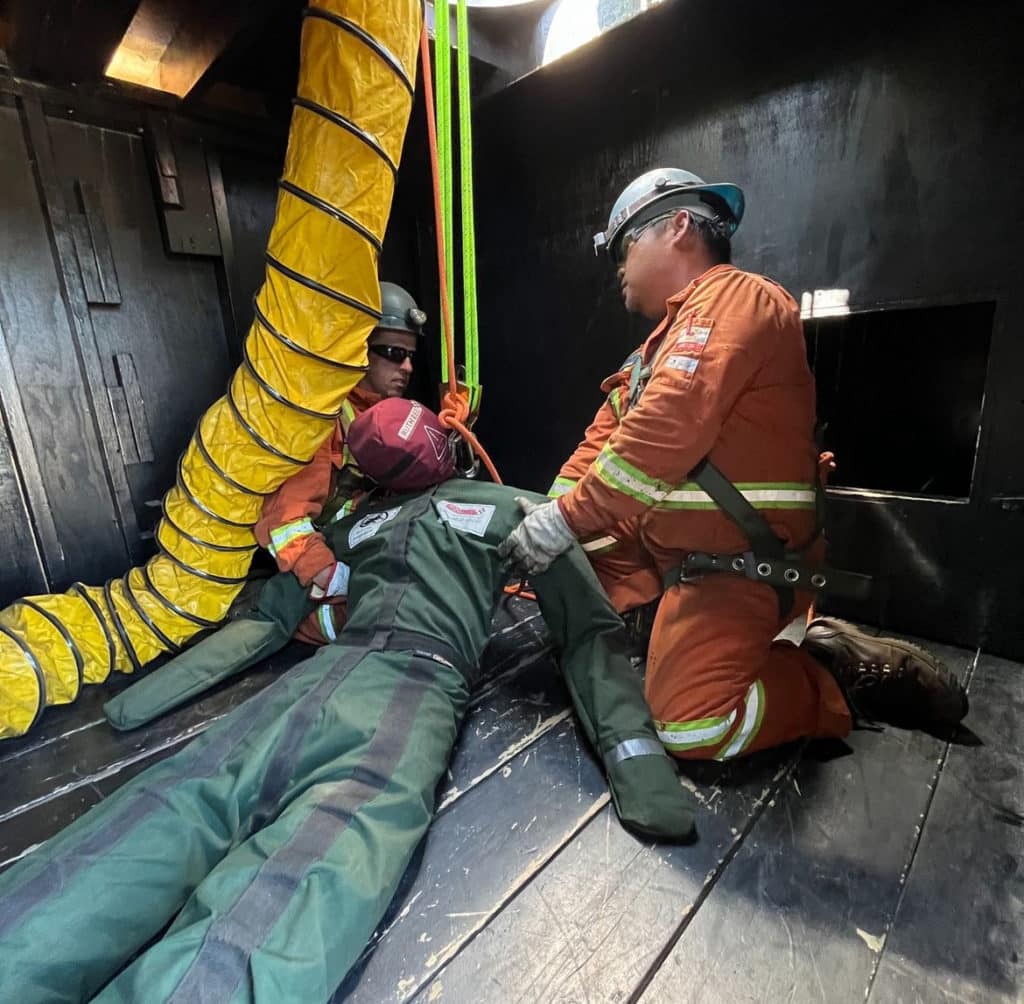
Image Credit: Dynamic Rescue, Canada
Our Working at Height Manikin was developed specifically to meet these operational challenges.
Designed in collaboration with rope access specialists and rescue professionals, the manikin is engineered to:
- Sit correctly in a rescue harness
- Replicate the behaviour of an unconscious casualty
- Provide realistic weight distribution
- Withstand repeated technical rescue exercises
- Allow teams to safely practise complex rescue scenarios
The result is training that is safer, more realistic, and more operationally relevant.
Find out more about this manikin or request a free demonstration here:
https://www.ruthlee.com/manikin/working-at-height-training-manikins-dummies
Industry Recognition & Real-World Use
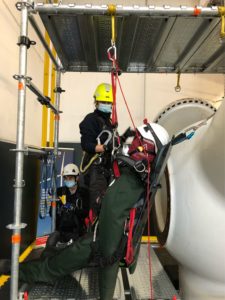
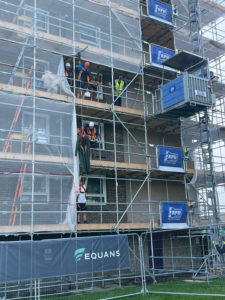
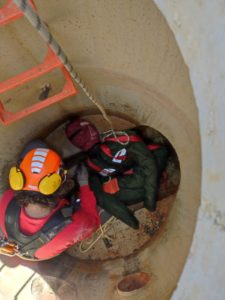
Our Working at Height Manikin is now used by rope rescue and technical rescue teams around the world across sectors including:
- Rope access
- Wind energy
- Fire and rescue
- Offshore energy
- Industrial rescue
- Utilities and infrastructure
-

- Image Credit: Tower Safety, US
-

- Image Credit: FormUP, Italy
-
- Image Credit: Advanced Scaffolding LTD, UK
-
- Image Credit: Alessio Colomatto, Italy
During the pandemic, the importance of rescue manikins was even highlighted by Global Wind Organisation, who referenced the use of manikins within their guidance to help training providers continue delivering realistic rescue exercises while reducing close human contact.
This demonstrated an important point: realistic rescue training must continue even when operational circumstances change.
Standards Continue to Evolve
One of the key messages from industry discussions around standards and legislation is that standards evolve alongside technology, equipment, and operational learning.
Technical rescue methods are constantly improving. Equipment changes. Risks change. Training expectations change.
That is why rescue organisations increasingly look beyond minimum compliance and focus instead on:
- Operational realism
- Competency development
- Safe training delivery
- Evidence-based best practice
Using purpose-built rescue manikins helps organisations achieve these goals while aligning with the expectations of industry bodies and rescue standards.
Beyond Compliance
Ultimately, rescue training should never become a “tick-box exercise.”
Legislation may define the legal duty, but standards and industry best practice help organisations build truly effective rescue capability.
For teams operating in high-risk environments, realistic training with purpose-built manikins allows rescuers to:
- Experience genuine casualty handling challenges
- Test rescue systems under load
- Improve team communication and coordination
- Build confidence in complex scenarios
- Reduce risk to volunteers and trainees
We remain committed to supporting the rope access and technical rescue sectors with realistic training solutions designed alongside the professionals who use them every day.
Because when a real rescue happens, teams do not rise to the occasion – they fall back on their training.
This article was inspired by industry discussions presented at ITEC24 regarding standards, legislation, and compliance within the lifting, rope access, and safety sectors.